
 Aging in Place Directory Hub
As more older adults look for ways to stay independent, a new movement is quietly reshaping what “home” can mean. It’s called cohousing, and it’s built on the simple idea that living together can make life safer, happier, and more affordable.

For many seniors, the hardest part of aging isn’t the physical challenges, it’s the loneliness that comes with living alone. Programs like CoLife Seniors are changing that by connecting older adults with compatible companions who share their homes, offering light help, friendship, and peace of mind.
Instead of moving into assisted living, older adults can now welcome trusted support into their homes, creating a new kind of community, one based on mutual respect and shared living.
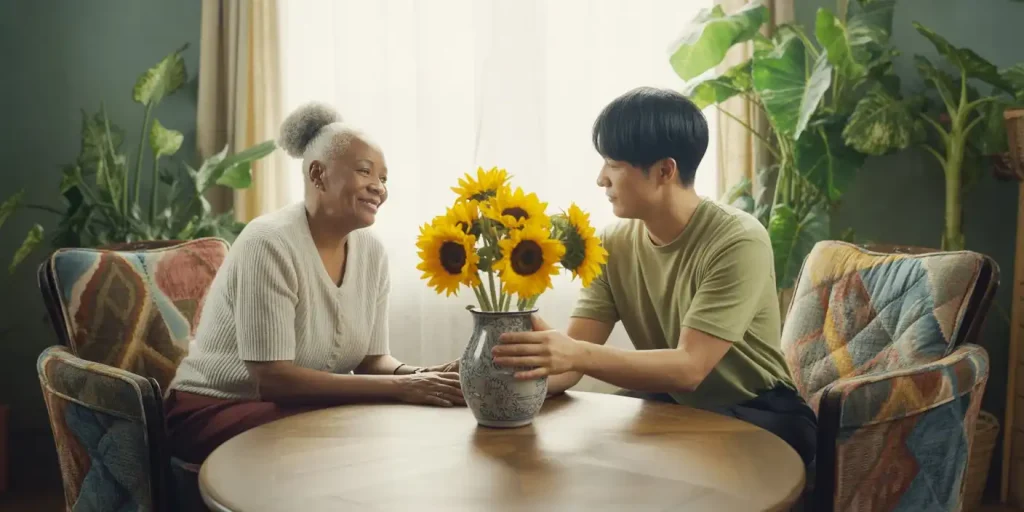
CoLife Seniors connects older adults with reliable companions who share their homes. Companions offer light help and friendship in exchange for reduced or free rent.
❤️It’s part of a growing cohousing movement helping seniors age safely and affordably at home.
The Challenge of Aging at Home Alone
As an occupational therapist who’s worked with many older adults, I’ve seen how quickly independence can fade when isolation sets in. You might want to stay in your own home, but the reality of living alone can feel risky, physically, financially, and emotionally.
Hiring help can be expensive. Moving to assisted living can mean giving up your privacy and community. And yet, most people I’ve worked with say the same thing: “I just want to stay home.”
That’s why I found CoLife Seniors so interesting. Their model combines cohousing, companionship, and mutual support in a way that gives seniors more options to safely age in place.
What Is CoLife Seniors?
CoLife Seniors is a program designed to help older adults stay in their homes longer by connecting them with trustworthy companions.
Their motto says it all: “Free rent for a little quality help.”
In simple terms, CoLife matches aging homeowners who have an extra room with responsible adults who can offer companionship or light assistance. The companion might help with tasks like grocery shopping, transportation, or just being there to share meals and conversation.
In return, they receive free or discounted rent, making it a win-win for both sides.
It’s more than just shared housing. It’s a form of modern cohousing, grounded in community and mutual respect, where people live independently but share connection and purpose.
How It Works
CoLife Seniors acts as a matchmaker and facilitator. They help connect older homeowners with carefully screened companions. While their website doesn’t give all the details, here’s how it generally works:
- Homeowners apply – Seniors who want to stay in their homes provide information about their space, needs, and preferences.
- Companions apply – Adults (often younger professionals or students) who want affordable housing share their background and the kind of help they’re willing to offer.
- CoLife facilitates the match – They look for compatible pairings that make sense in both personality and daily needs.
- Shared living begins – The companion moves in, and both parties agree on boundaries and expectations.
The idea is that small acts of help, like preparing meals, driving to appointments, or keeping the home active, can make a huge difference in a senior’s ability to remain independent.
This kind of micro-cohousing arrangement supports aging in place without the need for institutional care.
Real Stories: Frank and Barbara
The CoLife website shares a few stories that show the program’s heart in action.
Frank’s Story: At 79, Frank wanted to stay in his own home but found living alone challenging. Through CoLife, he connected with a younger companion who helped with household tasks and companionship. With that support, Frank kept his independence and peace of mind.
Barbara’s Story: After a personal loss, Barbara struggled with loneliness and recovery. Her CoLife companion didn’t just provide daily help, they helped her reclaim joy and rebuild her confidence.
These stories highlight what I’ve seen countless times as an OT: when someone feels safe, supported, and connected, their whole outlook, and health, improves.
Who Can Benefit from CoLife Seniors?
This program can help many people in different situations:
- Older homeowners who want to stay in their homes but could use light help.
- Adults recovering from illness or surgery who need some companionship or extra assistance.
- Families worried about isolated parents who want a caring presence in the home.
- Younger adults or students looking for affordable housing and meaningful relationships.
It’s a modern twist on cohousing principles, neighbors helping neighbors, sharing resources, and building connection under one roof.
Cohousing Principles: How It Works and Why It Matters
Cohousing is all about living together in a way that supports everyone’s independence and well-being.
Here are the main principles that make it work:
- Private Spaces, Shared Community
Everyone has their own room or apartment for privacy, but common areas like the kitchen, garden, or living room are shared. - Connection and Communication
Neighbors get to know each other and talk openly about needs, routines, and boundaries. Good communication keeps the home peaceful and friendly. - Mutual Support
People help one another in small ways, like sharing meals, running errands, or offering company, while still respecting independence. - Shared Decision-Making
Everyone living in the home or community has a say in how things are done. Choices are made together so everyone feels included. - Respect and Kindness
Cohousing works best when everyone treats each other with care, honesty, and patience. It’s about being good neighbors. - Safety and Simplicity
Homes are designed or arranged to make life easier, with clear walkways, good lighting, and a layout that supports aging in place. - Community, Not Institution
Unlike assisted living, cohousing feels like a family or neighborhood, not a facility. It gives der adults freedom, belonging, and purpose.
Why Shared Living Works
The idea behind shared living isn’t new, but CoLife gives it structure and safety.
When a senior shares their home with someone kind and trustworthy, it can:
- Reduce loneliness and depression.
- Improve safety, since someone else is present in emergencies.
- Offer help with daily living tasks.
- Make home ownership more affordable.
- Build intergenerational friendships that enrich both lives.
In essence, it turns “living alone” into “living together,” while still respecting independence and privacy, the very foundation of cohousing communities worldwide.
How CoLife Differs From Assisted Living
Traditional assisted living centers can be wonderful for some people, but they often come with high costs and limited privacy.
CoLife offers an alternative for those who are still mostly independent but want an extra layer of safety and companionship.
Instead of moving out, you invite support in. That’s a huge shift, and one that aligns perfectly with both the cohousing movement and the goal of aging in place.
The Growing Movement of Intergenerational Living
Across the country, programs like CoLife are part of a growing intergenerational cohousing trend, where older and younger people share homes for mutual benefit.
Research from Harvard’s Joint Center for Housing Studies shows this kind of housing helps combat loneliness, improves health, and keeps seniors active in their communities.
It’s also a practical solution to two major problems at once:
- The affordable housing crisis, and
- The need for safe, supported aging.
CoLife’s model fits perfectly into this trend, offering a compassionate and community-based solution to modern aging challenges.
Potential Challenges to Consider
Like any new idea, cohousing for seniors isn’t without its hurdles. Some possible challenges include:
- Finding compatible matches for both personality and lifestyle.
- Navigating legal or insurance questions.
- Managing expectations about privacy and household rules.
Still, these are the same kinds of challenges families face when hiring in-home help, and the benefits can far outweigh the risks if done thoughtfully.
Why I Believe in Models Like This
As someone who’s worked in aging care for years, I believe programs like CoLife Seniors could change how we think about aging in place.
Too many seniors end up in assisted living simply because they lack social support or help with minor tasks. But with the right match, and a supportive cohousing-style environment — they could stay home longer, safely and happily.
It’s about dignity, community, and the power of human connection.
Final Thoughts
CoLife Seniors may still be new, but it’s addressing a real need. Shared living built on respect, companionship, and mutual benefit gives older adults another way to stay independent, without isolation or high costs.
If you or your loved one wants to remain at home but could use some help, this kind of cohousing approach might be worth exploring.
Sometimes, all it takes to age safely in place is a little help, and the right person to share the journey with.
