
 Aging in Place Directory Hub
Aging in place means staying in your home safely as you grow older. For many seniors, maintaining mobility and preventing falls is essential to staying independent. When moving around becomes difficult, or the fear of falling sets in, simple daily tasks can feel overwhelming.
This is where physical therapists (PTs) come in. They play a key role in helping older adults stay strong, steady, and safe at home.
With the right exercises and strategies, PTs can help seniors improve mobility, reduce fall risks, and maintain their independence longer.
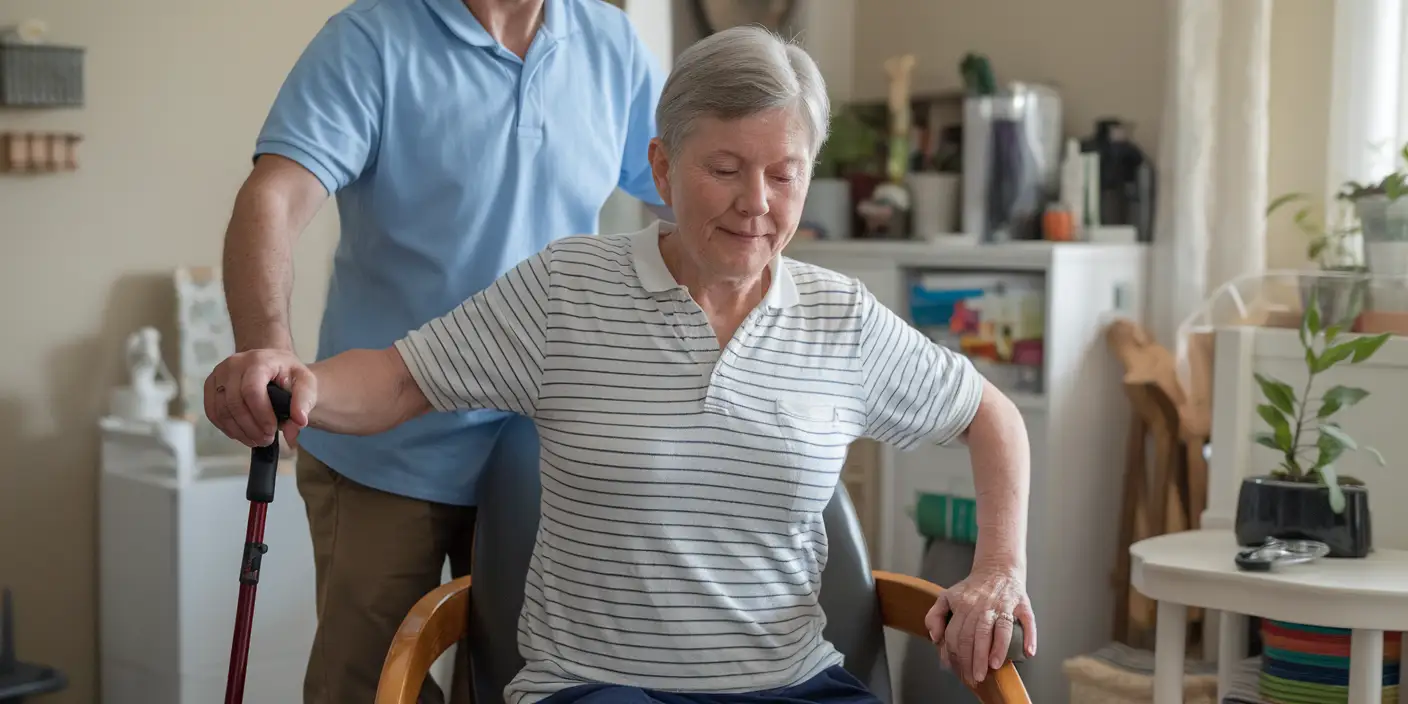
The Role of Physical Therapy in Aging in Place
Physical therapists specialize in movement. For aging adults, they focus on helping individuals move safely and comfortably while preventing injuries. A PT assesses strength, balance, flexibility, and even cognitive function to create a personalized plan based on a person’s needs.
Instead of using a one-size-fits-all approach, PTs consider medical conditions, past injuries, and home environments.
They work with seniors to strengthen muscles, improve coordination, and teach techniques that make everyday movement safer and easier. PTs also look beyond just physical challenges – they help address psychological barriers like fear of falling, which often limits activity.
I have used PT to recover from a fractured wrist, to heal from a back and shoulder injury and now, as a senior, I am using PT to help improve my balance and overall strength. I can’t say enough how wonderful and extremely helpful PT services are for me and my body.
Improving Mobility Through Physical Therapy
As we age, mobility challenges become more common. Arthritis, muscle weakness, and balance issues can make simple activities – like standing up, walking, or climbing stairs – more difficult.
A PT can help with:
- Stretching and flexibility – To reduce stiffness and improve movement.
- Strength training – To build muscle and support joints.
- Gait training – To improve the way a person walks and prevent missteps.
- Pelvic floor therapy – To strengthen core muscles and improve stability, reducing the risk of falls and addressing incontinence issues.
Physical therapists also educate seniors on how to move properly, like how to get out of bed safely, stand up from a chair without strain, and navigate their home with confidence.
Preventing Falls with Physical Therapy
Falls are a leading cause of injury in older adults, often leading to hospital stays and loss of independence. Many seniors limit their activities due to fear of falling, which can actually weaken their muscles and increase the risk of a fall.
Physical therapists address fall risks by:
- Teaching balance exercises to improve stability.
- Strengthening leg and core muscles to support better posture.
- Educating seniors on safe walking techniques and proper posture.
- Recommending assistive devices when necessary, such as canes or walkers.
- Assessing the home environment to identify hazards that contribute to falls.
A PT can also help identify potential dangers in the home, such as slippery floors or poor lighting, and provide guidance on making these areas safer.
Managing Age-Related Conditions with Physical Therapy
Many seniors experience mobility challenges due to conditions like Parkinson’s disease, Alzheimer’s, arthritis, or osteoporosis. Physical therapy plays a major role in managing these conditions by:
- Parkinson’s Disease – Improving coordination, flexibility, and reducing fall risks.
- Alzheimer’s Disease & Dementia – Providing exercises to enhance cognitive function while maintaining mobility.
- Arthritis – Increasing joint flexibility and reducing pain through guided exercises.
- Osteoporosis – Strengthening bones and muscles to prevent fractures.
By working with a PT, seniors with these conditions can stay active and safe in their own homes for longer.
Home Modifications and Assistive Equipment
Sometimes, small changes at home can make a big difference in mobility and safety. A physical therapist may recommend:
- Grab bars in the bathroom for extra support.
- Handrails along stairs and hallways.
- Non-slip rugs or removing loose carpets.
- Proper lighting in dim areas to improve visibility.
- Mobility aids like walkers or canes, if needed.
By combining therapy with home safety modifications, seniors can move more confidently and avoid common household hazards.
The Benefits of Ongoing PT for Aging Adults
Physical therapy isn’t just for recovery after an injury. Regular PT sessions can:
- Keep muscles strong and prevent future mobility issues.
- Improve posture and coordination, reducing the risk of falls.
- Boost confidence in daily activities.
- Address both physical and psychological barriers to movement.
- Allow seniors to stay independent longer.
Caregivers and family members can also play a role by encouraging their loved ones to stick to their therapy plan and supporting them in staying active.
How to Find a Physical Therapist for Aging in Place
If mobility is becoming a challenge, or falls are becoming a concern, it may be time to see a PT. Here’s how to find the right one:
- Look for a PT with experience in geriatrics or home health care.
- Ask your doctor for a referral.
- Check with Medicare or private insurance to see what is covered.
- Search online for aging-in-place specialists who offer PT services.
Early intervention can make a huge difference in staying safe at home. Even small improvements in balance and strength can prevent a serious fall in the future.
Final Thoughts
Aging in place is about staying in your home safely and comfortably. But without good mobility and balance, everyday tasks can become risky. Physical therapy can be a game-changer, helping seniors maintain strength, prevent falls, and stay independent longer.
If you or a loved one are struggling with mobility, don’t wait until a fall happens. A physical therapist can help you move better, feel stronger, and live with confidence in your own home.
