
 Aging in Place Directory Hub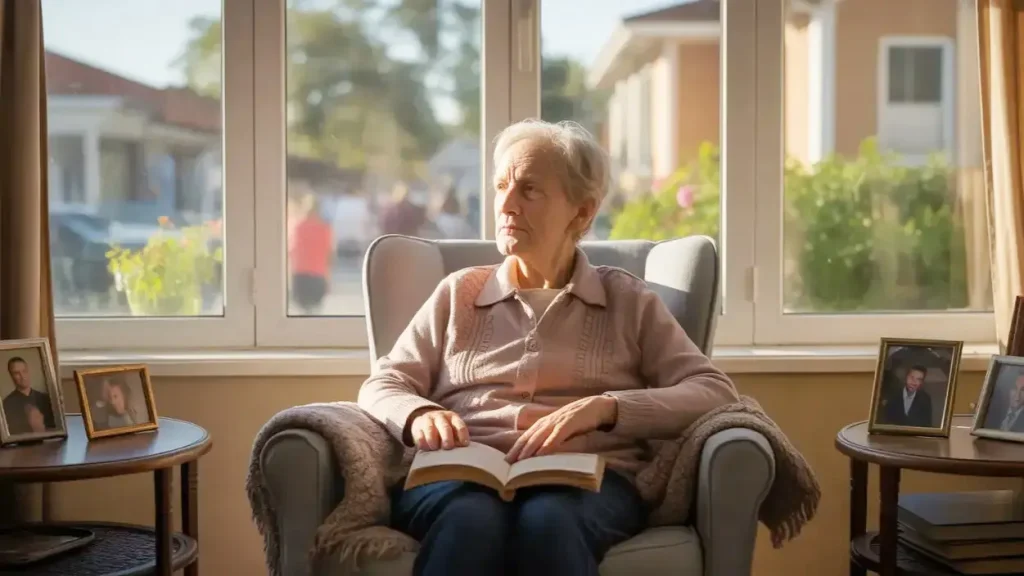
Aging in Place (AIP), the ability to live in one’s own home and community safely and independently, is the preferred choice for approximately 90% of adults aged 65 and older.
This preference is driven by the psychological benefits of familiarity, autonomy, and the preservation of social ties.
Research indicates that AIP can be significantly more cost-effective than institutional care, particularly for Medicaid programs, which saw a monthly cost reduction of $1,672 per participant in specific program models.
However, the success of AIP is contingent upon addressing significant challenges: physical mobility decline, cognitive impairment, social isolation, and financial constraints.
These issues are exacerbated in rural communities, which suffer from a lack of healthcare infrastructure, transportation, and nutrition services.
To sustain AIP, a multi-faceted approach is required, including comprehensive home modifications, the integration of advanced 2026-era smart medical technologies, and robust support systems to prevent caregiver burnout.
1. Psychological and Social Foundations of Aging in Place
The preference for remaining at home is rooted in deep-seated psychological needs for continuity and control.
- Familiarity and Identity: Home environments serve as “mental anchors.” Furniture, décor, and neighborhood layouts represent decades of memories, reinforcing a senior’s sense of identity. Transitioning to institutional care often causes “emotional upheaval,” confusion, and stress, particularly for those with cognitive decline.
- Autonomy and Self-Esteem: AIP allows seniors to maintain control over daily routines (e.g., meal times, waking hours). This independence is directly linked to higher self-esteem and life satisfaction, whereas dependency in assisted living can lead to feelings of helplessness.
- Social Connectivity: Staying in a familiar community facilitates the maintenance of long-standing social ties with neighbors and local organizations, which is proven to reduce the risk of depression and cognitive decline.
2. Comparative Economic Analysis: AIP vs. Institutional Care
Economic evaluations demonstrate that community-based care models can provide substantial savings to public payers compared to nursing home (NH) care.
Cost Comparisons (Monthly Averages)
Based on a retrospective cohort study of participants in a Missouri-based AIP program compared to nursing home residents:
Based on a retrospective cohort study of participants in a Missouri-based AIP program compared to nursing home residents:

Key Economic Findings
- Medicaid Impact: The primary cost reduction occurs within Medicaid, largely due to the high cost of institutional room and board. AIP programs effectively delay or prevent expensive nursing home admissions.
- Medicare Stability: Medicare costs remained relatively stable between the two groups. While AIP participants utilized more home health services (199.35 higher than NH), this was offset by reductions in inpatient stays (743.07 lower) and outpatient costs ($136.06 lower).
- Resource Allocation: Clinical outcomes for AIP participants were equal to or better than those in nursing homes across measures of cognition, activities of daily living (ADLs), and incontinence, despite the lower cost.
3. Geographic Disparities: The Rural Challenge
Rural communities face a “higher proportion of older residents” but provide fewer essential services compared to metropolitan areas.
- Service Gaps: Rural areas lack adequate healthcare, housing options, civic engagement opportunities, and nutrition services.
- The “Out-Migration” Effect: Younger, prime-age workers (aged 25–54) are increasingly leaving rural areas. This creates a care gap, as adult children,the largest group of caregivers,are no longer available to support aging parents.
- Transportation Limitations: Private automobiles account for over 90% of trips in rural settings. As seniors stop driving, the lack of public transit becomes a primary barrier to medical appointments and grocery shopping.
- Financial Insecurity: Rural seniors who rent face higher affordability burdens and have fewer housing alternatives if their current home becomes physically or financially unsustainable.
4. Primary Challenges to Aging in Place
Seniors choosing to remain at home encounter several predictable obstacles as they age:
- Functional Decline: Vision and hearing changes, mobility limitations (e.g., difficulty with stairs), and self-care challenges impact the ability to navigate a standard home.
- Cognitive Decline: Natural declines in memory and reasoning can lead to medication errors and difficulty managing household tasks.
- Social Isolation: Mobility and transportation issues often result in seniors being unable to leave their homes, leading to loneliness, which is linked to poor physical and mental health outcomes.
- Home Maintenance: Physical labor required for cleaning, repairs, and yard work often exceeds the capabilities of aging residents, potentially turning the home into a “prison” of neglected tasks.
5. Strategic Solutions and Home Modifications
To mitigate safety risks, homes must be adjusted to align with the occupant’s changing physical needs.
Home Modification Checklist
- Bathroom: Install walk-in showers, grab bars, non-slip mats, raised toilet seats, and lever-style faucets.
- Kitchen: Move appliances to accessible heights; install stoves with “burner on” alerts and slide-out drawers.
- Entryways: Widen doors for wheelchair/walker access; install swing-clear hinges and entry ramps.
- Safety/Lighting: Replace shaggy carpet with short-pile or non-slip flooring; install motion-activated or voice-controlled lighting and sturdy stair railings.
6. Technological Integration (2026 Outlook)
Advancements in Assisted Living Technology (ALT) and smart devices are becoming essential for proactive health management.
Essential Smart Medical Devices
- Remote Patient Monitoring (RPM): Smart blood pressure cuffs and heart rate trackers use AI to detect abnormal patterns and sync data directly with healthcare providers.
- Fall Detection Systems: Integrated motion sensors and AI-based gait analysis distinguish between stumbles and serious falls, automatically alerting emergency contacts.
- Medication Management: Automated dispensers provide vocal reminders and secure locking mechanisms to prevent double-dosing.
- AI-Powered Safety: Privacy-respecting AI cameras can monitor activity and detect unusual behavior without constant human surveillance.
- Voice-Activated Assistants: Hands-free tools allow seniors to initiate health tests, set reminders, or call for help via voice commands, bypassing the need for advanced technical savvy.
7. Caregiver Dynamics and Support Systems
AIP relies heavily on informal caregivers, typically family members, who face significant risks.
- Caregiver Burnout: Managing 24/7 care alongside personal and professional responsibilities creates physical and emotional stress, often straining family relationships.
- Professional Intervention: Hiring in-home care, even part-time,can provide necessary respite. Services range from personal care (bathing, dressing) to specialized clinical support (IV administration, physical therapy).
- Community Support Models:PACE (Program of All-Inclusive Care for the Elderly): Focuses on community-based service delivery.Telehealth: Reduces the burden of travel for medical consultations, a critical asset for rural or homebound seniors.Interdisciplinary Teams: Successful AIP programs (like the Missouri model) utilize nurse care coordinators to manage both Medicare home health and Medicaid community-based services, ensuring continuity of care.
8. Conclusion
Aging in Place is a viable and often superior alternative to institutionalization, provided there is adequate planning for the “woodwork effect”, the increased demand for community services as they become available.
While AIP offers substantial psychological benefits and cost savings for public health programs, its success depends on proactive home modifications, the adoption of supportive technologies, and targeted interventions to support the rural populations and caregivers who form the backbone of this care model.
