
 Aging in Place Directory Hub
The way we design homes is starting to change, thanks in large part to leaders who understand that accessibility is not a retrofit problem, it’s a design mindset. One of those leaders is Jackie Haddon, the founder of Liveable Homes.

Through Liveable Homes, Jackie has spent years challenging the idea that accessible housing is only about aging or disability.
Her work is built on a simple but powerful belief: homes should support people across every stage of life, without sacrificing beauty, dignity, or choice.
Instead of treating accessibility as a last-minute accommodation, Liveable Homes promotes proactive design standards that quietly future-proof homes from the start.
At the heart of the Liveable Homes approach is the idea that accessibility should feel normal, seamless, and even aspirational.
Their certification system gives homeowners, builders, and real estate professionals a clear, measurable way to show that a home is designed to be welcoming, functional, and adaptable, not just today, but decades from now.
It’s a philosophy that reframes aging in place from a reactive necessity into a smart, forward-thinking lifestyle decision.
That philosophy sets the stage for a bigger truth: the home of the future is already here, and it looks nothing like the institutional designs many people still imagine.
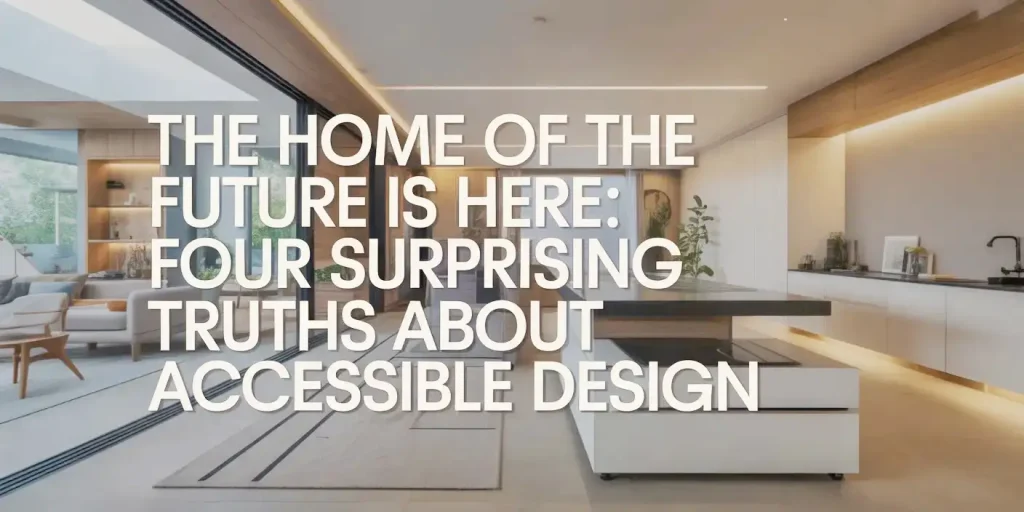
The Dream of a Forever Home
For many people, the idea of “home” is deeply tied to independence, comfort, and dignity. It’s no surprise that the vast majority of adults over 50 say they want to remain in their own home or community for as long as possible. Aging in place isn’t just a preference, it’s a vision of living well on our own terms.
Yet turning that vision into reality takes more than hope. It requires thoughtful planning and a shift in how we think about our homes. Aging in place is often misunderstood as a last-minute reaction to declining mobility, marked by awkward or clinical modifications.
In truth, designing for a lifetime in your home is a proactive, forward-thinking approach that can make your home more valuable, more beautiful, and more livable for everyone.
Here are four surprising truths about accessible design that reframe aging in place as an opportunity, not a compromise.
1. Future-Proofing Your Home Is a Smart Investment
Accessible home improvements are often seen as a personal expense, but they can also be a strategic financial decision. Homes that are thoughtfully designed or certified for accessibility stand out in today’s housing market, especially as more buyers look for aging-in-place or multigenerational living options.
Verified accessibility features, such as those recognized through formal certification programs, offer tangible value. They signal to buyers that a home is not only attractive, but also adaptable and future-ready.
From “visitable” homes that accommodate guests with mobility challenges to fully accessible main-level living, these features expand your potential buyer pool and can help a home sell faster.
In this way, investing in accessibility isn’t just about preparing for the future, it’s about protecting and enhancing your home’s long-term value.
2. The Best Accessible Design Is Practically Invisible
One of the most persistent myths about accessible homes is that they must look institutional or medical. Modern accessible design proves otherwise.
When done well, accessibility blends seamlessly into a home’s overall aesthetic. It’s less about obvious adaptations and more about thoughtful details that enhance comfort and safety without calling attention to themselves.
Zero-threshold showers, wider doorways, well-placed lighting, and stylish grab bars that double as towel racks can all elevate a space rather than detract from it.
The goal is a home that feels welcoming and beautiful while quietly supporting the needs of everyone who lives there or visits. Good accessible design doesn’t announce itself—it simply works.
3. Universal Design Benefits Everyone
Accessible design isn’t just for older adults or people with disabilities. At its best, it follows the principles of universal design, creating spaces that are usable by people of all ages, sizes, and abilities.
A universally designed home is easier for a parent pushing a stroller, safer for a child learning to navigate stairs, and more convenient for someone carrying groceries or recovering from an injury. It’s about creating spaces that adapt to life as it happens, not just to one stage of life.
Universal design recognizes that our needs change over time, and that a well-designed home should be able to change with us.
“Designing a world that accommodates individuals with disabilities ultimately creates a better, more functional environment for the entire population.”
— Lever & Ecker, PLLC, The Importance of Accessibility for All Disabilities
4. The Biggest Challenge Isn’t the Renovation, It’s Finding Help You Can Trust
Many homeowners know they will eventually need to make changes to their home, but uncertainty about where to start often leads to inaction. The most common barrier isn’t the renovation itself, it’s the challenge of finding knowledgeable, trustworthy professionals.
Home modifications can feel overwhelming without guidance. Homeowners benefit most from services that offer a clear, supportive path forward: assessing fall risks and mobility challenges, providing practical recommendations, connecting them with qualified contractors, and even overseeing the work from start to finish.
Trusted expertise turns an intimidating process into a manageable one, and ensures that changes truly support independence and quality of life.
Making Your Home Future-Ready
Planning to age in place is one of the most empowering decisions you can make. It’s an investment in your independence, your comfort, and your peace of mind. It’s also a chance to create a home that is more inclusive, more functional, and more welcoming, for you today and for the future you.
Rather than asking whether your home works for you right now, consider this: what small change could make it work better for everyone who lives there or visits, today and for years to come?
That’s the heart of accessible design, and the future of home.
A Thoughtful Next Step: Learning From Leaders in Accessible Design
If this article has shifted the way you think about your home, you’re not alone. Many homeowners, builders, and real estate professionals reach a point where they realize they want guidance from someone who truly understands accessible design as a lifelong strategy, not a short-term fix.
That’s where Jackie Haddon and the work of Liveable Homes come in. Liveable Homes offers education, certification, and practical tools that help people design and evaluate homes that are welcoming, adaptable, and future-ready, without sacrificing beauty or livability.
Whether you’re planning ahead for yourself, supporting a loved one, or working professionally in housing, learning more about accessible design standards can be a powerful first step.
Exploring the resources at liveablehomes.org can help you move from inspiration to informed action, with clarity, confidence, and purpose.
Because the best homes don’t just meet today’s needs.
They quietly support the lives we haven’t lived yet.
