
 Aging in Place Directory Hub
Making a home safer for seniors starts with reducing fall risks in every room. Key steps include adding grab bars in the bathroom, removing loose rugs, improving lighting in hallways and stairways, installing handrails on both sides of stairs, and using non-slip mats in wet areas. Smart home devices and medical alert systems add another layer of protection.
Making a home safer for seniors is crucial for ensuring they can age in place comfortably and securely.
As an aging-in-place specialist and retired occupational therapist, I’ve seen firsthand how thoughtful modifications can significantly enhance the quality of life for older adults.
This guide will walk you through room-by-room safety tips to create a senior-friendly environment.
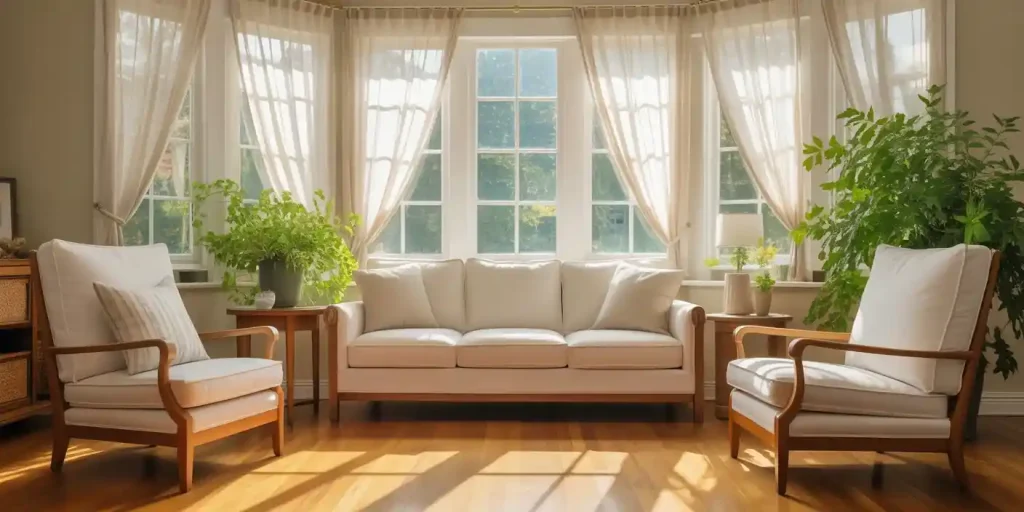
General Home Safety Tips
Lighting And Visibility
Proper lighting is essential to prevent falls and accidents. Ensure all areas, especially stairways and hallways, are well-lit.
Consider installing motion-activated lights for convenience and safety.
Flooring
Remove any loose rugs or carpets that could cause tripping. Use non-slip mats in areas prone to moisture, like the kitchen and bathroom.
Smooth out any uneven flooring to prevent falls.
Emergency Preparedness
Keep emergency numbers easily accessible. Install a medical alert system that seniors can use to call for help if they fall or have another emergency.
Room-By-Room Safety Tips
Living Room
- Furniture Arrangement: Ensure there’s a clear path for walking. Avoid clutter and keep frequently used items within easy reach.
- Lighting: Use bright, adjustable lighting. Consider adding floor lamps with easy-to-reach switches.
- Rugs: Remove throw rugs or secure them with non-slip backing.
Kitchen
- Appliance Safety: Use appliances with automatic shut-off features. Keep fire-resistant potholders and pan lids nearby.
- Storage: Store frequently used items at waist level to avoid the need for step stools. Use pull-out shelves for easier access.
- Flooring: Install non-slip mats near the sink and stove.
Bathroom
- Grab Bars: Install grab bars near the toilet and in the shower or tub. Ensure they are securely anchored.
- Non-Slip Surfaces: Use non-slip mats or decals in the shower and on the bathroom floor.
- Shower Chairs: Consider a shower chair or bench for added stability while bathing.
Bedroom
- Bed Height: Ensure the bed is at a comfortable height for getting in and out. Consider a bed rail for added support.
- Lighting: Keep a lamp within easy reach of the bed. Use nightlights to illuminate the path to the bathroom.
- Clutter: Keep pathways clear of clutter. Store frequently used items within easy reach.
Stairways
- Handrails: Install sturdy handrails on both sides of the stairs. Ensure they extend the full length of the staircase.
- Lighting: Use bright lighting with switches at the top and bottom of the stairs. Consider motion-activated lights.
- Non-Slip Treads: Apply non-slip treads to each step to prevent slipping.
Entryways
- Ramps: Install ramps to eliminate the need for steps. Ensure they have a gentle slope and non-slip surface.
- Lighting: Use sensor lights to illuminate the entryway. Ensure the doorbell is easily accessible.
- Thresholds: Keep thresholds low to prevent tripping. Use beveled edges for smoother transitions.
Technology And Safety Devices
Smart Home Technology
- Voice-Activated Assistants: Devices like Amazon Echo or Google Home can help seniors control lights, locks, and appliances without moving around.
- Security Systems: Install a home security system with cameras and motion sensors to monitor the home and alert caregivers if needed.
- Fire Sensors: Products like the Ting Fire Sensor or Arc Fault Circuit Interruptors are a very smart way to keep yourself and your home safe.
Medical Alert Systems
- Wearable Devices: Medical alert systems with wearable buttons can provide immediate assistance in case of a fall or emergency.
- Monitoring Services: Some systems offer 24/7 monitoring and can alert emergency services if needed.
Tables For Quick Reference
Common Home Modifications
| Modification | Purpose |
|---|---|
| Grab Bars | Provide support in bathrooms and stairways |
| Non-Slip Mats | Prevent falls in wet areas |
| Motion-Activated Lights | Improve visibility and convenience |
| Handrails | Offer stability on stairs |
| Ramps | Ensure easy access for wheelchairs |
Safety Devices
| Device | Function |
|---|---|
| Medical Alert System | Immediate help in emergencies |
| Smart Home Assistant | Control home devices with voice commands |
| Home Security System | Monitor and secure the home |
By implementing these modifications and safety tips, you can create a safer, more comfortable environment for seniors to age in place.
Each change, whether big or small, contributes to their overall well-being and independence.
