
 Aging in Place Directory Hub
A few years ago, I helped a family friend remodel her bathroom to make it safer for her aging mother. Her mother had fallen in the shower, and we knew we had to make changes to prevent it from happening again.
That experience taught me how small design updates, like installing a barrier-free shower, can make a huge difference in someone’s life.
If you’re thinking about making your bathroom more accessible, a zero-threshold shower is a great option. Of course, in addition to decluttering the space, non-slip flooring and grab bars!
Whether you’re planning ahead for yourself or making changes for a loved one, this guide will help you understand what a curbless shower is, why it matters, and how to create one that’s both safe and stylish.
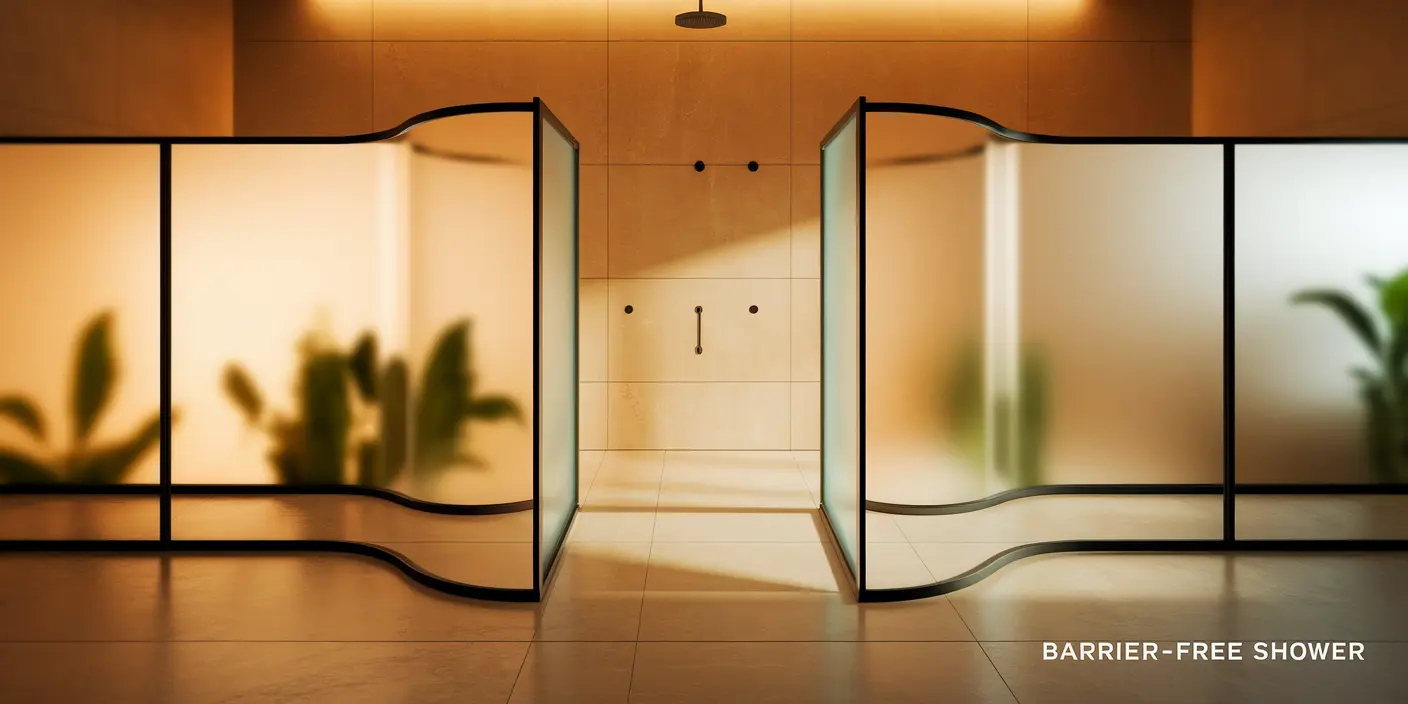
What is a Barrier-Free Shower?
A barrier-free shower, also called a zero-threshold or curbless shower, has no step or raised edge at the entrance. This makes it easy to walk or roll into, reducing the risk of tripping.
These showers are designed for accessible bathroom design while keeping a modern, open look.
Types of Barrier-Free Showers
- Curbless Showers – These have no raised edge, creating a seamless transition from the bathroom floor into the shower space.
- Roll-In Showers – Designed for wheelchair users, these showers provide plenty of space to roll in and turn around.
- Walk-In Showers – While not fully curbless, these have a low-profile shower pan and are easier to access than traditional tubs.
Benefits of a Zero-Entry Shower
- Safety – No step means fewer falls and easier access for people with mobility issues.
- Accessibility – Works well for wheelchairs, walkers, and anyone who struggles with stepping over a threshold.
- Easy to Clean – Fewer edges and corners make cleaning faster and simpler.
- Modern Design – A sleek, open look can make your bathroom feel more spacious.
- Universal Design – Meets the needs of all users, from seniors to individuals with mobility aids.
Planning Your Barrier-Free Shower
Before making any changes, it’s important to think about the space, drainage, and materials to ensure your shower works well and lasts a long time.
Space Considerations
- Make sure there’s enough room for easy movement, especially if using a walker or wheelchair.
- A shower area of at least 5 feet by 3 feet is ideal for accessibility.
- Consider expanding the bathroom layout if space is limited.
- Accessible vanity design can also be added for a fully accessible space.
Flooring and Drainage
- Use slip-resistant flooring to prevent falls.
- A bathroom floor slope directs water toward a linear drain, keeping water from pooling.
- A curbless design means water containment is key, installing a good drain is a must.
Water Containment Solutions
- Install a linear drain along the back or side of the shower.
- Use a slight slope in the flooring to keep water from spreading.
- Consider a weighted shower curtain, glass enclosure, or glass block shower walls to help control water flow.
Installation Process
Hiring a Professional vs. DIY
- A professional contractor ensures proper installation and waterproofing.
- If doing it yourself, follow detailed guides and manufacturer instructions carefully.
Key Installation Steps
- Remove existing shower and floor materials.
- Adjust plumbing to ensure proper drainage.
- Install a waterproof membrane to protect floors and walls.
- Lay a sloped subfloor to guide water to the drain.
- Add waterproof tile shower or slip-resistant flooring.
- Install decorative grab bars and seating for extra support.
Customization Options
Adding features that improve safety and comfort can make your shower even better.
- Decorative Grab Bars – Provide stability while blending with modern designs.
- Fold-Down Shower Bench – Offers a resting place for those who need it.
- Handheld Showerhead – Makes washing easier for seated users.
- Lever Style Handles – So much easier to grab and handle than round handles.
- Built-In Niches or Grab Shelves – Keep soaps and shampoos within easy reach without cluttering the space.
- Multiple Showerheads – Overhead rain showers and handheld options offer flexibility.
- Mood Lighting – Soft, adjustable lighting can improve visibility and relaxation.
- Heated Floors – Adds comfort and prevents cold surfaces from becoming slippery.
- Motion Sensor Lighting – Improves visibility and safety at night.
- Low-Profile Stone Shower Pans – Enhances the aesthetics while maintaining accessibility.
Aesthetic Integration: Making Safety Look Stylish
Aging in place doesn’t mean sacrificing style. Here’s how you can blend function with design:
- Seamless Tile Work – Large-format tiles reduce grout lines and make cleaning easier.
- Frameless Glass Shower Doors – Keep the space open and modern.
- Neutral Color Palettes – Light, neutral tones create a spacious and calming feel.
- Accent Features – Use feature walls in showers with decorative tile inlays or unique fixtures to enhance aesthetics.
- Matte Black Grid Shower Doors – A trendy and modern way to enhance the shower space.
- Pull-Out Drawers and Open Shelving – Provide storage without compromising accessibility.
Maintenance Tips
Keeping your zero-threshold shower in good condition helps it last longer and stay safe.
- Clean regularly to prevent mold and soap buildup.
- Check drainage to ensure water flows properly.
- Inspect for leaks around walls and flooring.
- Replace seals or grout as needed to prevent water damage.
- Waterproof bathroom flooring prevents long-term damage and enhances durability.
Cost Considerations
The cost of a barrier-free shower depends on the size, materials, and features you choose. Here’s a breakdown:
- Basic Curbless Shower – Starts at $2,000 for a simple design with standard materials.
- Mid-Range Options – $5,000 to $10,000 for added features like heated floors, custom tile, and multiple showerheads.
- High-End Designs – $10,000+ for luxury materials, advanced lighting, and custom layouts.
Frequently Asked Questions (FAQs)
Conclusion
A barrier-free shower is one of the best investments you can make for home accessibility modifications. Whether you’re aging in place or modifying your home for a loved one, this design can provide comfort, convenience, and peace of mind.
If you’re considering a zero-threshold shower, take the time to plan carefully and choose materials that will work for your needs. The right design can help you stay independent and safe in your home for years to come.
