
 Aging in Place Directory Hub
If you’re looking for one simple change that can make your bathroom safer and more comfortable as you age, a comfort height toilet is it.
These toilets are just a few inches taller than standard models, but that small difference makes it easier to sit down and stand up, which means less strain on your joints and a lower risk of falls.
As an occupational therapist, I’ve seen firsthand how this one upgrade can help older adults feel more confident and independent in their own homes.
Whether you’re planning ahead for yourself or helping a loved one, this article will show you why comfort height toilets are a smart, senior-friendly choice, and how to pick the right one for your needs.
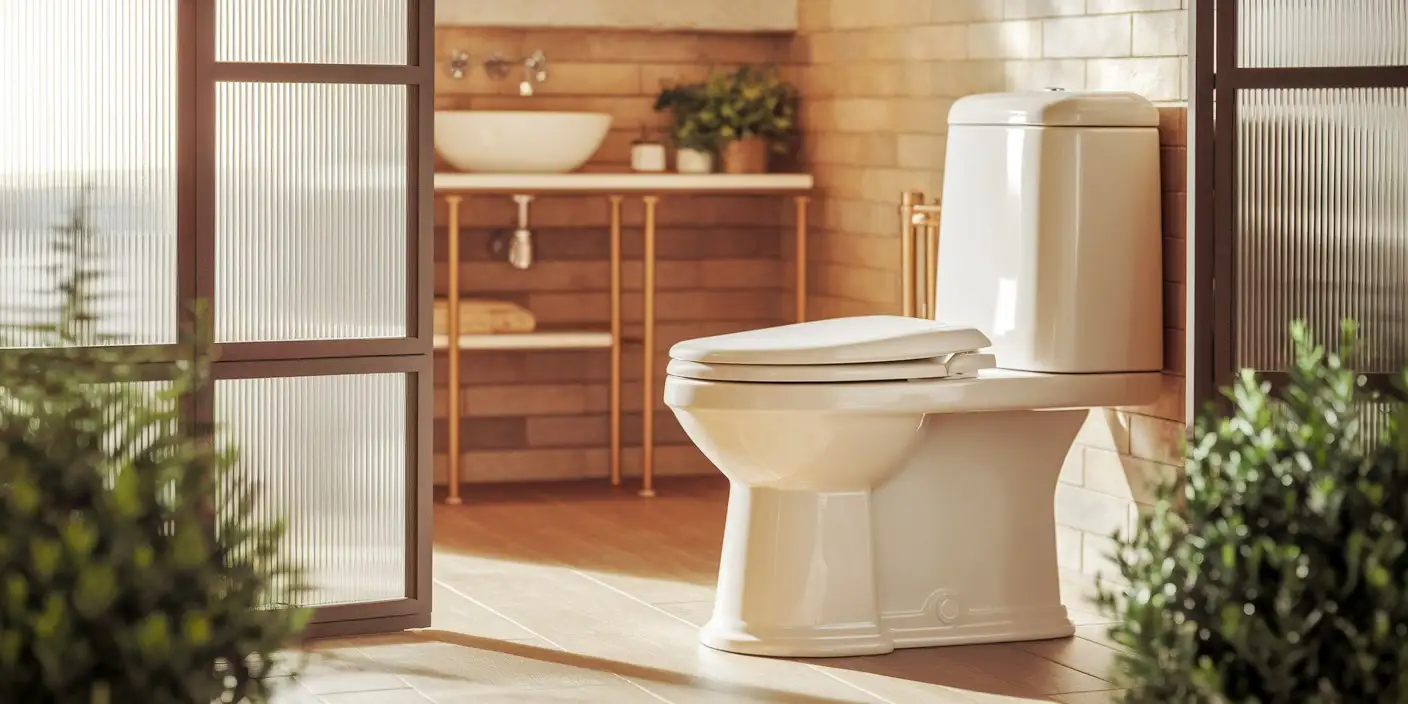
What Is a Comfort Height Toilet?
A comfort height toilet is a toilet that is higher than a standard one. A regular toilet is usually around 15 inches from the floor to the seat.
Comfort height toilets are 17 to 19 inches high, which makes them easier to use, especially for older adults or anyone with mobility issues.
They are often called ADA-compliant toilets because they follow the height guidelines in the Americans with Disabilities Act.
These toilets support universal design principles, which help make bathrooms safer for everyone, especially people with arthritis, balance problems, or muscle weakness.
Why Toilet Height Matters for Older Adults
As we age, bathroom mobility can become more difficult. It gets harder to sit down low and stand back up. This is especially true for people with arthritis, joint pain, or weak leg muscles.
A comfort height toilet puts less strain on the knees and hips. It also helps improve balance when standing up. These small changes in design lead to better bathroom ergonomics and reduce the risk of falls and injuries.
A Personal Story
I once worked with Gerta, a woman in her 70s with bad knee arthritis. Her old toilet was too low, and she had to grab the sink to pull herself up. She was afraid of falling, and that fear made her avoid using the bathroom alone.
We replaced her toilet with a comfort height model and added a grab bar beside it. She called me a week later and said, “For the first time in months, I feel safe using the bathroom.”
That’s the power of a simple change.
And just a personal note: another issue that Gerta had was that her bathroom was cluttered with so much stuff on her counter and on her floor. All of that was a hazard as well so we worked on decluttering that space to make it as safe as possible for her.
Safety Benefits and Fall Prevention
The bathroom is one of the most dangerous rooms in the house. Slippery floors, tight spaces, and hard surfaces make it easy to fall, and falls can lead to serious injuries.
Installing a comfort height toilet is an easy way to reduce that risk. It supports better posture and makes toilet transfers safer. When combined with other bathroom safety modifications, this small change can help you stay independent at home longer.
What to Look for in a Comfort Height Toilet
If you’re shopping for a comfort height toilet, here’s what I recommend:
- Height: Look for models that are 17 to 19 inches tall. This matches ADA accessibility standards.
- Toilet Bowl Shape: Elongated toilet bowls are usually more comfortable than round ones.
- Flushing System: Look for powerful, water-saving flush systems. Dual flush options are great for saving water.
- Toilet Seat Riser: Some people prefer adding a raised toilet seat on top of a standard toilet.
- Easy-to-Clean Design: Smooth sides and special glazes make cleaning easier.
- Style: Modern designs look great and don’t make your bathroom feel like a hospital.
Product Suggestions
Here are a few trusted comfort height toilet options to check out:
- TOTO Drake Two-Piece Elongated Toilet
- American Standard Right Height Toilet
- Simple Project 21 Inch High Toilet
You can also look at toilet seat risers or toilet lift systems if you want to raise your current toilet without replacing it.
Helpful Add-Ons for a Safer Bathroom
A comfort height toilet works even better when you add other bathroom safety aids. Here are some simple tools I recommend:
- Toilet safety rails or toilet support frames for balance
- Non-slip flooring or mats to prevent slipping
- Night lights or motion-sensor lights for nighttime trips
- Single lever-handle faucets for easier grip
- Bidet seat attachments for hygiene without twisting
All of these tools help make a senior-friendly bathroom that supports independence.
Cost Breakdown
Let’s look at what you might expect to spend:
- Toilet unit: $150–$500 depending on brand and features
- Installation: $150–$300 (more if plumbing changes are needed)
- DIY installation: Possible if you’re comfortable doing it safely
Important tip: Make sure the toilet is stable and doesn’t wobble. If the base flange is too low, you might need a spacer ring to raise it.
Help Paying for a Comfort Height Toilet
If you’re on a fixed income or need help paying for home changes, here are some ideas:
- State Medicaid Waiver programs may help with home safety updates.
- Veterans’ programs may offer grants for home improvements.
- Local aging agencies often have small home modification funds.
- Nonprofits and utility rebate programs sometimes help with accessible home changes.
Ask your local Area Agency on Aging or a certified aging in place specialist to help you explore these options.
DIY vs. Professional Installation
If you’re handy, you might be able to install a comfort height toilet yourself. But if you’re unsure, I recommend hiring a licensed plumber or bathroom remodeling professional. A poorly installed toilet can wobble, leak, or cause injuries.
Always check the toilet’s height, your bathroom layout, and how steady the floor is before starting.
Here’s a video that may help you!
Final Thoughts: A Small Change That Brings Big Relief
Comfort height toilets may seem like a small upgrade, but they can change your daily life.
Comfort height toilets are just safer, easier to use, and give you more privacy and confidence in your own home.
They are just one of the many changes you can make to your bathroom to make it safer.
If you’re starting to think about aging in place or helping someone else stay safe at home, start here. It’s a simple way to improve safety and support independent living — no big remodel needed.
And if you ever feel unsure about what to do next, remember: you don’t have to do it alone. There are people like me who are here to guide you with compassion, knowledge, and real solutions.
You deserve a home that works with you, not against you.
