
 Aging in Place Directory Hub
By Esther C. Kane, CAPS, C.D.S.
You may have been hearing a term that’s popping up everywhere lately: aging in place. It sounds simple, but the idea behind it has a deep and meaningful history.
Before it became a buzzword in home design and senior care, it grew out of decades of research, advocacy, and real-life stories from older adults who wanted to stay in the homes they love.
Quick Rundown: How Aging in Place Became a Movement That Helps Older Adults Stay Home Longer
- Started With Real Needs: Older adults wanted comfort, control, and choice.
- Supported by Policy: Home- and community-based care expanded over time.
- Powered by Home Modifications: Safety updates made daily life easier and reduced falls.
- Strengthened by Technology: Smart-home tools now support independence and check-ins.
- Carried by Caregivers: Family and paid caregivers make home life safer and smoother.
- Shaped by Community: Neighborhood programs, Villages, and NORCs filled service gaps.
This roadmap leads into the first big question: What does aging in place really mean, and why did people want it so deeply?
What Does “Aging in Place” Really Mean?
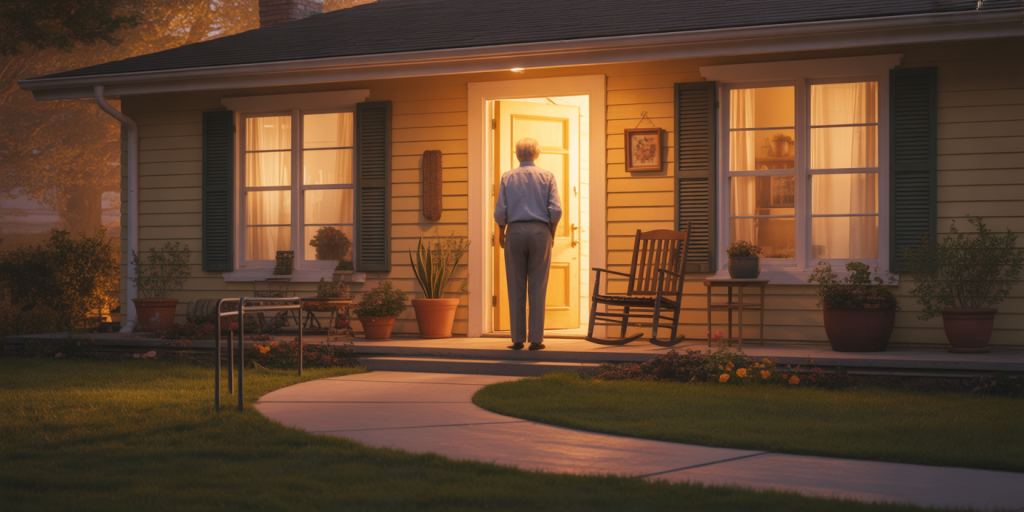
Aging in place means living in your own home, neighborhood, or community as you grow older. You may also hear the phrases aging at home, staying in your own home, or independent living.
The heart of aging in place is simple. Home feels safe. Home feels familiar. Home helps you stay connected to your routines and the people you love. Most older adults want this more than anything.
Professionals in aging, including CAPS specialists and occupational therapy practitioners, work hard to make this possible. They focus on safety, accessibility, and smart planning.
❓ How do I know if aging in place is the right fit for me or a loved one?
💬 The best way to decide is to look at safety, health needs, and daily routines. If you can move around your home without frequent falls, get help when you need it, and manage basic tasks with support, aging in place can work well.
How Did the Aging-in-Place Movement Begin?
The idea started in the 1970s and 1980s. Researchers noticed that most older adults remained in their homes even when life became harder. They did not want to relocate unless absolutely necessary. Staying put made them feel grounded.
During the 1990s and early 2000s, this idea grew into a national movement. People began talking about dignity, comfort, and the right to stay home. The message was clear: older adults deserved environments that supported them.
This shift also pushed builders, designers, and communities to rethink housing and accessibility.
The major aspect of aging in place revolves around ensuring safety, accessibility, and support within the home and community.
Why Did More People Choose to Stay Home?
Several things changed at the same time:
- Nursing home costs increased each year.
- Assisted living grew, yet many older adults still felt more secure at home.
- Surveys showed 75–90% of adults over 50 preferred aging at home.
- Families wanted safer ways to support independence.
Emotional connection also played a major role. Home feels like identity. Leaving home can feel like losing part of yourself.
❓ Why do some older adults resist moving even when safety becomes a concern?
💬 Many people feel deep emotional attachment to their home. Moving can feel scary, overwhelming, or like a loss of control. This is why planning early and making small changes over time makes the transition easier.
How Did Home Care and Health Services Evolve Over Time?
Home care services used to be limited. Over the years, major improvements changed how care is delivered:
- Home health became more available.
- Medicaid Home- and Community-Based Services (HCBS) expanded access to personal care, homemaker support, and respite.
- States recognized that helping people stay home often costs less than institutional care.
- Programs like CAPABLE showed that simple home repairs paired with professional support can delay nursing home placement.
This shift brought more choices to families. It also helped more adults stay in their homes safely.
What Role Did Communities Play? (NORCs, Villages, and Age-Friendly Cities)
Aging in place is not only about your house. It is also about your neighborhood.
Three community models shaped the movement:
Naturally Occurring Retirement Communities (NORCs)
These are neighborhoods where many residents aged together. Support programs formed to offer rides, social events, wellness programs, and simple check-ins.
The Village Movement
This idea began in Boston in the early 2000s. Older adults created a membership program that offered volunteers, service referrals, and social activities. It helped people stay at home longer without feeling alone.
Age-Friendly Communities
Cities and towns began improving sidewalks, lighting, outdoor spaces, transportation, and public buildings to support older adults.
These models showed that aging in place works best when communities support connection and safety.
How Did Home Modifications Become Central to Safety?
Most homes in the U.S. were not built with aging in mind. That became a major barrier.
Over time, people recognized that simple changes could reduce falls and make daily tasks easier:
- Grab bars that support real body weight
- Brighter, even lighting that reduces shadows
- Curbless showers with non-slip floors
- Wider doorways and hallways
- Ramps or zero-step entries
- Lever handles instead of round knobs
These changes help people stay at home longer by making daily routines safer and simpler.
❓ How do I pay for home modifications if I’m on a fixed income?
💬 Some local programs, nonprofits, and state-funded HCBS waivers help with small home repairs. You can also check for grants, low-interest home-improvement loans, or volunteer programs through aging agencies.
A home modifications checklist can guide you in a practical manner.
How Did Technology Transform Aging in Place?
Technology changed the movement more than almost anything else.
We moved from simple alert buttons to complete smart-home systems:
- Motion sensors like HomeSight and Hello Everyday
- Door and stove alarms
- Remote wellness checks like CheckinBee and SimpliTend
- Telehealth visits
- Video calls
- Medication management tools
- Fall detection systems
- Smart lighting and temperature controls
These tools support independence while giving families peace of mind.
What Does Caregiving Have to Do With Aging at Home?
Caregivers make aging in place possible.
Two groups carry the load:
Family Caregivers
They help with meals, medications, transportation, safety, and emotional support. Many feel overwhelmed or stretched thin.
Paid Caregivers
Home care aides provide hands-on help and companionship. Their work is essential, but the workforce is smaller than the need.
Caregiver burnout is a major challenge. When caregivers struggle, it becomes harder for older adults to remain at home safely.
How Did Money and Policy Shape the Movement?
Policy matters. It shaped the movement in powerful ways.
- Medicare pays for short-term care, not long-term support.
- Medicaid funds nursing homes by default but only funds home care through optional programs like HCBS.
- States vary widely, so access depends on where you live.
- Long-term care insurance changed over time, with fewer companies offering affordable plans.
- Home modifications often are not covered, even when they prevent costly injuries.
Understanding this helps families plan ahead and explore local programs early.
❓ How do I find out what programs my state offers for aging at home?
💬 Start with your local Area Agency on Aging. They can explain state-specific programs, HCBS waivers, caregiver support options, and home modification resources.
What’s Still Missing in 2025?
Despite all this progress, gaps remain:
- Renters often cannot make needed home updates.
- Many rural homes lack reliable internet for telehealth.
- Climate risks affect home safety and insurance.
- Older adults aging with dementia need more nighttime support.
- The paid caregiving workforce is shrinking.
- Housing design still does not match accessibility needs.
These challenges shape the next stage of the aging-in-place movement.
What’s New in 2026?
Current Trends Shaping the Future
- AI-powered home monitoring is becoming more common, offering gentle check-ins without constant cameras.
- Cities are adopting age-friendly building codes that include zero-step entries.
- Insurance providers are testing discounts for homes with verified safety modifications.
- More states are pushing to expand HCBS waitlist funding.
- Builders are designing small, flexible “forever homes” that fit older adults and younger buyers.
- Across the U.S., more cities and states are easing rules to allow ADUs and tiny homes in backyards, and all signs point to this trend accelerating even more by 2026 due to housing shortages, multigenerational living needs, and growing support for aging-in-place.
These updates show how quickly the landscape of aging in place is changing.
