
 Aging in Place Directory Hub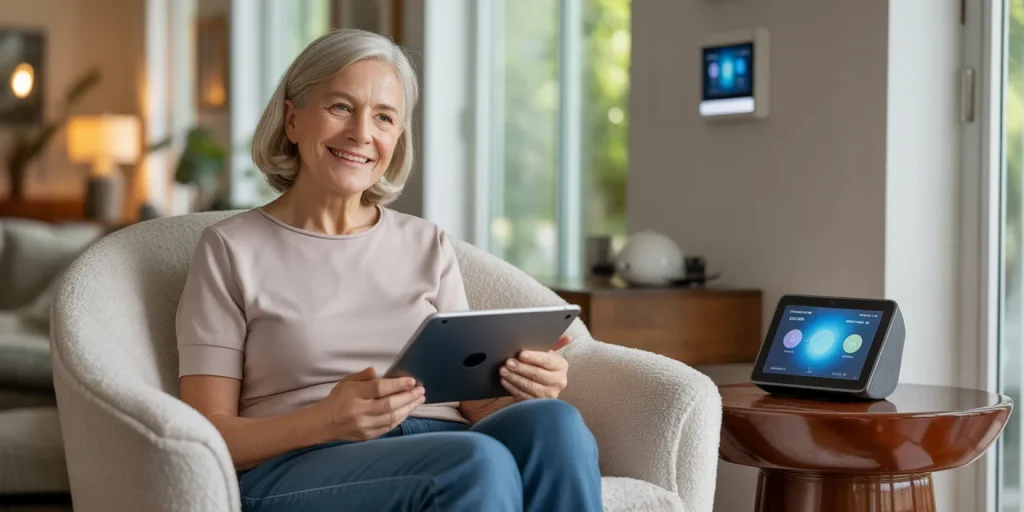
Gerontechnology is the study and application of technology to meet the needs of aging adults. It combines gerontology, the science of aging, with technology to create solutions that help older adults maintain their health, independence, and social connections. The field covers a wide range of tools, from wearable health monitors and smart home devices to voice assistants, fall detection systems, and telemedicine platforms. The goal is to support older adults in aging in place safely and comfortably, with as much independence as possible.
This field aims to address the challenges posed by an aging population by developing technologies that support health, independence, and social participation among older individuals.
This is an excellent field of knowledge that all aging in place specialists should be familiar with in order to provide their clients with the latest and greatest tools available to make their homes safer for aging in place.
What is Gerontechnology?
Gerontechnology is defined as the application of technology to meet the needs and aspirations of aging adults.
It encompasses a wide range of technological interventions designed to improve various aspects of life for older people, including health, housing, mobility, communication, leisure, and work.
The ultimate goal is to support “successful aging,” which involves maintaining good health, mental well-being, and social engagement as one ages.
Key Areas of Gerontechnology
- Health and Self-Esteem: Technologies in this domain aim to monitor and improve health outcomes, such as wearable sensors that track vital signs or AI-driven tools that assist in diagnosing and managing chronic conditions.
- Housing and Daily Living: Smart home technologies, such as automated lighting and temperature control, help older adults live independently by making their living environments safer and more comfortable.
- Mobility and Transport: Innovations like self-driving cars and mobility aids enhance the ability of older adults to move around safely and independently.
- Communication and Governance: Technologies that facilitate communication, such as video calling platforms and social media, help older adults stay connected with family and friends, reducing feelings of isolation.
- Work and Leisure: Tools that support continued engagement in work or hobbies, such as ergonomic workstations or virtual reality for leisure activities, contribute to a fulfilling and active lifestyle.
Examples Of Aging In Place Technology
Following are some gerontechnology solutions to help create a smart home for seniors that is more comfortable, accessible and safer.
- Video Doorbells: Devices like Ring allow homeowners to see and communicate with visitors at their door via a smartphone, enhancing security and convenience.
- Voice and Remote Thermostats: Smart thermostats such as Google Nest and Amazon Smart Thermostat can be controlled by voice commands or remotely via a smartphone, making it easier for older adults to manage their home environment.
- Virtual Assistants: Devices like Amazon Echo and Google Home enable older adults to control various aspects of their home, such as lighting, locks, and thermostats, using voice commands.
- Stove Fire Prevention Devices: These devices automatically shut off the stove if it is left unattended for a specific period, which is particularly useful for older adults with memory issues.
- Home Monitoring Systems: These systems can monitor various aspects of an older adult’s home, including body temperature and sleep patterns, and alert caregivers if something seems amiss, thereby providing peace of mind and enhancing safety. You can find a variety of these types of devices here.
- Fall Detection Devices: These devices use advanced technology to monitor for falls and promptly alert caregivers or emergency services, ensuring timely assistance. One notable example is the Walabot HOME device, which stands out for its innovative use of radio wave technology to detect falls without the need for wearables or cameras.
- Fire and Electrical Arc Detection: The Ting Fire Sensor plugs into any standard outlet and monitors the home’s electrical system 24/7 for signs of arc faults, which are a leading cause of house fires. If a potential hazard is detected, Ting alerts the homeowner and connects them with a fire safety expert, making it a valuable safety tool for older adults living alone or aging in place.
These independent living aids are designed to support the independence and safety of older adults, making it easier for them to age in place comfortably.
Current Trends in Elderly Care Technology
- Telemedicine: Enables remote medical consultations, which is particularly beneficial for those with mobility issues or living in remote areas.
- Smart Home Integration: The integration of smart home devices with AI and IoT technologies is becoming more seamless, enhancing the independence and safety of older adults.
- AI and Machine Learning: These technologies are increasingly used to provide personalized care, monitor health conditions, and improve the overall efficiency of senior care
The Role of Artificial Intelligence
Artificial intelligence (AI) plays a significant role in gerontechnology by providing advanced solutions for elderly care.
AI applications can range from predictive analytics for health monitoring to robotic assistants that help with daily tasks.
By integrating AI devices such as Amazon’s Alexa and Google Home, older adults can begin to learn how to work and accept these products and all their benefits.
Acceptance and Challenges
The acceptance of gerontechnology among older adults and caregivers is influenced by several factors, including perceived benefits, ease of use, and the alignment of technology with users’ values and needs.
Barriers to acceptance can include technical difficulties, privacy concerns, and a lack of familiarity with new technologies.
“Although gerontechnology is supportive of daily life, it is widely recognised that older people do not show as much interest in adopting new technologies as younger populations.” (source: National Library of Medicine)
Therefore, involving older adults and caregivers in the design and development process is crucial to ensure that technologies are user-friendly and meet their specific needs.
Future Prospects
The future of gerontechnology looks promising, with ongoing research and development aimed at creating more sophisticated and accessible solutions.
Innovations in this field have the potential to significantly improve the quality of life for older adults by enabling them to age in place, maintain their independence, and stay connected with their communities.
Gerontechnology represents a vital intersection of aging and technology, offering innovative solutions to support the well-being and independence of older adults.
As the global population continues to age, the importance of this field will only grow, making it an exciting area for future research and development.
