
 Aging in Place Directory Hub
Aging in place means making your home safer, more accessible, and easier to live in as you grow older. This checklist helps you spot potential risks, fix them before they cause harm, and plan ahead for changing needs so you can stay independent and confident at home.
It’s not only about safety, but also about maintaining quality of life, access to community connections, and long-term affordability.
Quick Rundown:
- Prevents Accidents: Simple home changes, like better lighting and secure handrails, cut fall risks in half.
- Improves Daily Living: Small upgrades make cooking, bathing, and moving around easier every day.
- Adapts to Health Changes: Planning ahead means you can adjust your home as your needs evolve.
- Supports Independence: Safety improvements reduce dependence on others for routine tasks.
- Saves Money Long-Term: Preventive fixes cost less than emergency hospital visits or facility care.
Let’s walk through each section of the Aging in Place Checklist, focusing on what truly matters to stay safe, strong, and independent at home.
Here’s an extensive Aging in Place checklist by the AOTA (American Occupational Therapy Association)
I’ve seen many families wait until after a fall or hospital visit to make changes. Using this checklist early keeps you in control of your comfort and independence instead of reacting to a crisis.
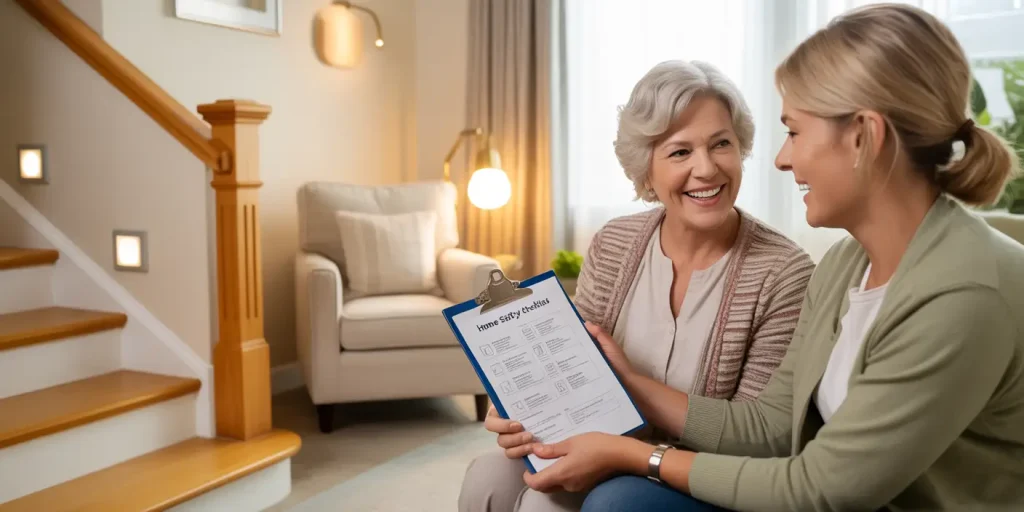
Who Is This Aging in Place Checklist For?
This checklist is designed for older adults, caregivers, and families who want to make a home safer and easier to live in as mobility, balance, or health changes.
If you’re new to the concept, you can explore a complete overview of what aging in place really means and why it matters in this foundational guide.
You know, this “aging in place” thing begam back in the 1970’s so it’s been growing for quite a while!
Actionable Tip: Create a written home safety profile before beginning. Note any mobility aids used, medications affecting balance, or changes in vision or memory. This profile will guide your future home upgrades.
What a Home Safety Profile Includes:
A home safety profile is like a personal snapshot of how someone functions in their current home environment. It helps you or a caregiver track changes over time and make targeted improvements before risks turn into accidents.
You can create one by noting:
- Physical abilities: walking speed, balance issues, strength, endurance, and use of mobility aids (cane, walker, wheelchair).
- Sensory changes: hearing loss, low vision, sensitivity to glare, or difficulty judging depth and contrast.
- Cognitive or memory changes: confusion, forgetfulness, wandering, or difficulty following steps in daily routines.
- Medication side effects: dizziness, drowsiness, or blurred vision that could affect coordination or reaction time.
- Environmental hazards: loose rugs, poor lighting, clutter, slippery floors, stairs without rails, or high cabinets.
- Emergency readiness: location of phones, emergency contacts, smoke/CO detectors, and exit routes.
Pro Tip: Update your home safety profile once or twice a year, or whenever there’s a change in health or mobility. Keeping this document handy helps professionals like occupational therapists or CAPS specialists quickly identify where small changes can make the biggest impact on safety and comfort.
Why Is an Aging in Place Checklist Important?
Because it helps you spot hazards before they cause problems and create a plan that grows with you.
A home can be filled with hidden risks, loose rugs, poor lighting, cluttered hallways, that can turn into emergencies overnight. An intentional checklist keeps you proactive rather than reactive.
If you haven’t done a professional evaluation yet, learn how an aging-in-place home assessment identifies safety gaps you might miss on your own.
Insight: Many people don’t realize that an occupational therapist or CAPS-certified contractor can assess both your current needs and future risks, saving you thousands in unnecessary remodels later.
What Should You Check First in Your Home?
Start with the areas where falls and accidents happen most often: bathrooms, stairs, and lighting.
- Lighting: Replace dim bulbs with bright, warm LEDs. Add motion-sensor lights from the bedroom to the bathroom.
- Stairs: Add railings on both sides, fix uneven steps, and ensure every stair is well lit.
- Bathroom: Install grab bars near the toilet and shower. Use a non-slip mat inside and outside the tub.
When I advised my neighbor to install grab bars after her knee surgery, she told me that after her handyman installed them, she fell much safer and didn’t fear falling as much.
If your parent lives alone, you can find additional safety strategies in this practical guide on helping older adults stay in their homes longer.
Extra Tip: Keep phones or smart speakers (like Alexa) near every main area of use, bed, bathroom, kitchen, so help is always within reach.
How Can You Make the Bathroom Safe and Easy to Use?
Use curbless showers, grab bars, and stable seating to prevent falls and support independence.
- Replace bathtubs with walk-in or curbless showers (a minimum 60″ x 36″ space is ideal).
- Install grab bars 33–36 inches above the floor, secured into wall studs.
- Choose non-slip flooring (rated R10 or higher).
- Remove door locks to prevent accidental lock-ins if help is needed.
- Lower water heater temperature to 120 °F or less to prevent burns.
One of my clients with Parkinson’s said her curbless shower gave her “…the confidence to shower alone again” because she didn’t have to step over a lip or worry about balance.
Suggestion: Add a fold-down shower seat and a handheld shower sprayer for safer bathing. A bright, glare-free light above the shower reduces shadows and improves visibility.
What About Stairs and Entryways?
Every entry should be safe, well-lit, and easy to navigate, even with mobility aids.
- Add handrails on both sides of stairs, extending beyond the first and last steps.
- Install bright, motion-activated lights at both the top and bottom of stairways.
- If stairs are unavoidable, a 1:12 slope ramp is the safest option (1 foot of ramp for every inch of rise).
- Keep steps clear of clutter, cords, and loose mats.
- Check that outdoor ramps have textured, non-slip surfaces and contrasting edges for visibility.
An easy tip: paint the stair edges a contrasting color to improve depth perception.
Additional Action: For security, add a peephole or smart doorbell camera at every entry. This supports both physical safety and peace of mind.
How Can You Improve Lighting for Safety and Comfort?
Consistent, even lighting prevents missteps and confusion, especially at night.
- Use 3000–4000 K LED bulbs for warm, clear light that reduces glare.
- Add night-lights along hallways and paths to the bathroom.
- Choose touch or rocker switches over small toggles for easier use with weak grip or arthritis.
- Install plug-in motion sensors in dark corners and closets.
Good lighting is one of the fastest, cheapest ways to make a home safer.
Insight: Keep light levels uniform between rooms to prevent visual confusion, especially for people with mild cognitive decline or vision loss.
❓ What smart home technology is most helpful for seniors living alone?
💬 Focus on simple, reliable devices that solve real safety issues. Use voice-activated assistants for reminders, smart plugs for lamps and appliances, and fall-detection wearables or medical alert systems for peace of mind. Choose systems that automatically alert caregivers in case of emergency.
What Home Modifications Offer the Biggest Impact?
Focus on comfort, reach, and movement before major construction projects.
- Raise toilet height to 17–19 inches for easier transfers.
- Replace doorknobs with levers for easier grip.
- Rearrange frequently used kitchen items between waist and shoulder height.
- Add threshold ramps at doorways for walkers or wheelchairs.
If you’re planning a renovation or remodel, visit this detailed home remodeling FAQ to learn how to choose materials and contractors that support safety and independence.
Most of these upgrades can be done in a weekend and make a big difference in daily comfort.
Added Tip: When renovating, reinforce bathroom and hallway walls with plywood backing now so you can easily add grab bars later.
❓ When should I hire a professional to evaluate my home’s safety?
💬 If you’ve had a fall, mobility change, or new diagnosis, it’s time for a home safety evaluation. Look for a Certified Aging-in-Place Specialist (CAPS) or an occupational therapist who can assess your living space, recommend specific improvements, and coordinate modifications tailored to your needs.
How Often Should You Reassess Your Home?
Do a full review once a year or after any change in health, mobility, or medication.
Walk through each room with a trusted friend, caregiver, or professional. Use a checklist to evaluate lighting, flooring, accessibility, and safety devices. Small, steady updates prevent big problems later.
If clutter or outdated furniture limits your movement, these decluttering strategies for older adults can help you create open, safer living spaces.
Pro Tip: Print or download an annual review tracker to document improvements, budget changes, and safety updates. Over time, it becomes a valuable record of your progress.
❓ How can I stay socially connected while aging in place?
💬 Loneliness is a major health risk. Schedule weekly calls or video chats with family, join senior centers or hobby clubs, or volunteer locally. Many communities also offer virtual meetups for older adults to share stories, learn skills, and stay engaged without leaving home.
How Can You Plan for Health or Memory Changes?
Create safe routines and modify your environment for predictable daily flow.
- Use labels and color contrast for cabinets, doors, and switches.
- Keep walkways open and uncluttered.
- For dementia, avoid patterned flooring that may cause confusion and remove decorative “look-alike” food or cleaning items.
- Set up door alarms or GPS trackers for wandering concerns.
Consistency builds confidence. Familiar surroundings with predictable cues help reduce stress for everyone involved.
Expand Further: Add clear signage with images, keep daily items in consistent locations, and use contrasting wall colors for better orientation.
Which Technology Actually Helps Aging in Place?
Choose simple devices that solve real safety problems without causing confusion.
- Smart plugs for lamps and coffee makers automatically turn off after set times.
- Voice assistants (like Alexa or Google Home) can control lights or call for help hands-free.
- Stove shut-off sensors prevent kitchen fires.
- Medical alert wearables with fall detection provide 24/7 monitoring.
- Avoid overly complex apps or tech that requires constant updates.
The best technology supports independence, not overwhelm.
Actionable Add-on: Choose devices that integrate with smart hubs so caregivers can monitor safety remotely without invading privacy.
These hubs allow caregivers or family members to get gentle notifications about safety events without watching the person directly through cameras. It balances peace of mind and privacy.
Here’s how it works in practice:
- Example 1: A motion sensor (like the Hello Everyday product) in the hallway sends an alert to a family member if there’s no movement overnight (which could signal a fall).
- Example 2: A stove safety sensor notifies a caregiver if the burner is left on too long but doesn’t use video or audio monitoring.
- Example 3: A smart door sensor alerts when an exterior door opens at night, useful for loved ones with dementia, again, without live surveillance.
These types of devices integrate through a smart hub so all alerts go to a single, private app dashboard. That means the caregiver can check that everything’s okay without logging into separate apps or cameras.
When Should You Consider Moving Instead of Modifying?
Move when home modifications can’t meet essential safety needs or when care access is limited.
If stairs can’t be removed, bathrooms can’t be modified, or healthcare access is too far away, relocating may be safer and less expensive than remodeling. The goal is not to stay in one house forever, it’s to stay independent wherever you are.
Financial Insight: Review local housing options that meet universal design standards and compare costs of remodeling vs relocation before deciding.
❓ What’s the best way to find financial help for home modifications?
💬 Many local and national programs can offset remodeling costs. Start with HUD Home Modification Grants, VA housing assistance, and Medicaid Home & Community-Based Services waivers. Local Area Agencies on Aging also offer low-cost safety upgrades, volunteer labor, or funding referrals for accessibility improvements.
How Can You Find Reliable Help for Home Modifications?
Hire professionals trained in aging-in-place design or with CAPS (Certified Aging-in-Place Specialist) certification.
Ask for:
- Proof of insurance and references.
- Photos of past accessible remodels.
- A written contract outlining materials, costs, and safety standards (like ADA and local code compliance).
A trusted professional can help you balance safety, style, and function.
Bonus Resource: Many counties offer free or low-cost home safety audits through local aging agencies, always ask before hiring privately.
How Much Does It Cost to Make a Home Aging-Friendly?
Basic upgrades start around $1,000–$2,500, while full bathroom conversions average $8,000–$15,000.
However, these costs are small compared to assisted living or fall-related hospitalizations, which can exceed $30,000–$50,000 per year. Prioritize high-risk areas first, then plan future upgrades gradually.
Funding & Resources for Aging in Place
- HUD Home Modification Grants for accessibility updates.
- Veterans Affairs (VA) Housing Grants for eligible veterans.
- Medicaid Home & Community-Based Services Waivers for in-home support.
- Local nonprofit or state aging councils that offer funding assistance or volunteer help.
Planning ahead financially ensures long-term stability and keeps modifications affordable.
What’s the Best Way to Stay on Track Long-Term?
Create an Aging in Place Tracker to monitor changes, upgrades, and needs over time.
- Monthly: Check lighting, cords, and grab bars.
- Quarterly: Review smoke/CO alarms and trip hazards.
- Annually: Reassess mobility, vision, and home layout.
- After major events: Re-evaluate safety after any injury, surgery, or medication change.
It’s also wise to have an emergency preparedness plan in place, so you’re ready for power outages, medical incidents, or natural disasters without panic.
Recommendation: Keep emergency kits near every exit, include medication lists, and share your safety plan with trusted family members or neighbors.
❓ How can I make sure my home is ready for emergencies while aging in place?
💬 Keep an emergency kit in an easy-to-reach spot near an exit. Include flashlights, medications, extra eyeglasses, phone chargers, water, and a list of emergency contacts. Test smoke and CO detectors twice a year and register with your city’s emergency alert system if available.
Final Thoughts
Aging in place isn’t about resisting change, it’s about shaping it. Every improvement you make today gives you more freedom tomorrow.
With the right checklist, smart planning, and a clear strategy, you can continue living comfortably, confidently, and safely in the home you love, supported by design that grows with you, not against you.
