
 Aging in Place Directory Hub
Emergencies can happen at any time, and for seniors aging in place, being prepared is essential. Whether it’s a natural disaster, power outage, or medical emergency, having a solid plan in place can mean the difference between safety and danger.
This guide will walk you through everything you need to know to prepare for emergencies while aging in place.
You’ll learn how to assess your risks, create an emergency supply kit, plan for medical needs, establish a strong support system, and incorporate backup power solutions. Let’s make sure you or your loved one is ready for anything.
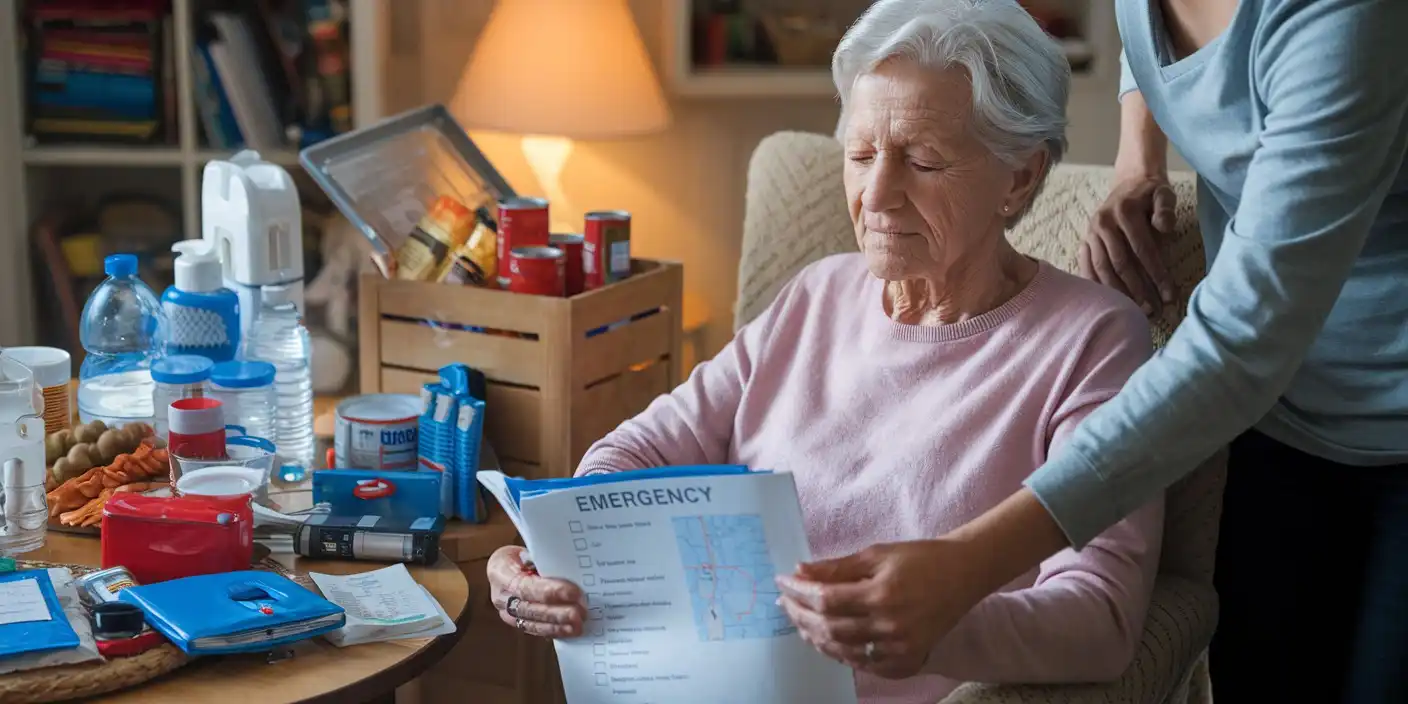
1. Understanding the Unique Needs of Seniors in Emergencies
Seniors face different challenges during emergencies compared to younger adults. Aging brings physical and cognitive changes that can make it harder to respond quickly to unexpected situations.
Some key concerns include:
- Mobility Challenges: Difficulty moving quickly or climbing stairs can make evacuations harder.
- Cognitive Impairments: Seniors with dementia or memory issues may struggle to follow emergency instructions.
- Medication Dependence: Many seniors rely on daily medications that need to be included in any emergency plan.
- Medical Equipment: Oxygen tanks, CPAP machines, and hearing aids require backup power and planning.
- Access to Support Networks: Seniors without close family may need to establish alternative support systems.
Understanding these challenges allows you to prepare effectively, ensuring safety and accessibility in times of crisis.
2. Creating a Personalized Emergency Plan
Part of any really worthwhile home safety assessment is an emergency plan tailored to the senior’s specific needs.
If you’re considering upgrades or retrofit modifications that support both everyday safety and emergency readiness, be sure to check our Home Remodeling FAQ, it answers the most common questions about adapting a home for aging in place and making it safer overall.
Here’s how to build one:
- Assess Personal Needs: Make a list of medical conditions, medications, mobility aids, and communication needs.
- Identify Local Risks: Consider the types of emergencies common in your area (e.g., hurricanes, wildfires, extreme heat, or winter storms).
- Shelter-in-Place vs. Evacuation: Determine if staying home or leaving is safer during different emergencies.
- Establish a Community Support Network: If family members are unavailable, identify trusted neighbors, local senior organizations, or community groups for assistance.
A well-thought-out plan ensures seniors and their caregivers know exactly what to do when an emergency strikes.
3. Assembling an Emergency Supply Kit
Every senior aging in place should have a fully stocked emergency kit.
And to make sure your home environment supports safety and quick movement, don’t skip the insights in Reasons to Declutter, it covers how clearing clutter reduces fall risks, improves accessibility, and helps seniors move freely during an emergency.
Essentials include:
- Food & Water: At least three days’ worth of non-perishable food and one gallon of water per day.
- Medical Supplies: A 7-day supply of medications, extra glasses, hearing aid batteries, and necessary medical devices.
- Important Documents: Copies of IDs, medical records, insurance information, and emergency contacts.
- Mobility Aids: Extra canes, walkers, or wheelchairs if needed.
- Emergency Tools: Flashlights, batteries, a battery-operated radio, and a whistle for calling for help.
- Backup Power: Extra chargers for phones and medical devices, or a portable power bank.
- List of Emergency Contacts: A printed copy in case electronic devices are unavailable.
Having these items ready ensures a senior’s basic needs are met, even if they are cut off from outside help.
4. Creating a Communication and Support Plan
Staying connected during an emergency is critical. Seniors should:
- Keep an Updated Emergency Contact List: Include family, neighbors, caregivers, and emergency services.
- Establish a Support Network: Identify a few people who can check in and assist if needed.
- Sign Up for Alerts: Many communities offer text or phone alerts for emergencies.
- Practice Emergency Drills: Go over the plan regularly with caregivers and family members.
- Identify Local Resources: Check with local senior centers, Red Cross, and FEMA for emergency assistance programs.
A well-communicated plan helps reduce panic and ensures help is available when needed.
5. Planning for Medical Needs During Emergencies
Medical preparedness is one of the most critical aspects of emergency planning for seniors. Here’s what to do:
- Keep a Current Medication List: Include dosages and pharmacy contact information.
- Stock Extra Medication: Have at least a one-week supply on hand.
- Coordinate with Doctors: Ask about emergency refills and alternative treatments if medications run out.
- Prepare for Medical Equipment Needs: Ensure oxygen tanks, CPAP machines, or insulin supplies have backup power options.
- Check Local Pharmacy and Healthcare Resources: Some areas have emergency prescription programs.
Taking these steps prevents medical emergencies from becoming life-threatening situations.
6. Evacuation and Shelter Plans
Sometimes, staying home isn’t safe. When evacuation is necessary:
- Know Where to Go: Research emergency shelters, hotels, or relatives’ homes.
- Plan Transportation: Arrange for assistance if driving isn’t an option.
- Pack a “Go-Bag”: Include essentials like medications, important documents, food, and water.
- Consider Accessibility Needs: Make sure evacuation sites are wheelchair-friendly and equipped for medical needs.
- Check Shelter Readiness: Some shelters may not have resources for seniors with medical needs.
Preparing ahead makes leaving home in an emergency less stressful.
7. Backup Power Solutions for Seniors
Power outages can be dangerous for seniors who rely on medical equipment. Here’s how to prepare:
- Have a Backup Generator: Consider a small generator for essential devices.
- Use Portable Battery Packs: Keep extra power sources for cell phones and medical devices.
- Know Your Utility Company’s Emergency Plan: Some power companies prioritize seniors with medical needs.
- Register for Emergency Power Assistance: Some local governments offer resources for seniors who need power backup.
8. Practicing and Updating the Emergency Plan
An emergency plan should be reviewed and practiced regularly. Steps to keep it effective include:
- Running Emergency Drills: Practice responses to different types of emergencies.
- Updating Supplies: Refresh food, water, and medications every six months.
- Reviewing the Plan: Ensure contact information and shelter locations remain accurate.
- Stay Informed: Regularly check for new emergency preparedness guidelines from FEMA and local authorities.
Final Thoughts
Preparing for emergencies doesn’t have to be overwhelming. By taking the time to create a plan, gather supplies, and involve caregivers, seniors aging in place can stay safe no matter what happens.
I encourage you to start today – review the checklist, talk with your loved ones, and put a plan in place that ensures security and peace of mind.
A little preparation now can prevent major stress later. Stay safe, stay prepared, and stay supported.
If your goal is to help your loved ones remain independent and safe at home, you’ll find more guidance in How to Help Your Aging Parents Stay at Home, which covers daily living strategies, communication tips, and practical home modifications.
By taking the time to create a plan, gather supplies, and involve caregivers, seniors aging in place can stay safe no matter what happens.
Before you start, make sure you’ve completed an Aging in Place Checklist, it’s a simple step-by-step guide to help you spot safety issues, plan modifications, and prepare your home for emergencies.
