
 Aging in Place Directory Hub
If you’re here, you’re likely worried about someone you love. Maybe it’s your mom who’s starting to struggle with the stairs, or your dad who keeps bumping into the kitchen counters with his walker.
Or maybe you’re looking ahead for yourself, thinking, “I want to stay in my home, but it’s just not safe like this.”
You’re not alone. I’ve walked this road with many families. And I can tell you: the right home changes can make a world of difference.
But those changes don’t happen on their own. They start with the right contractor, someone trained in home accessibility, senior safety, and universal design.
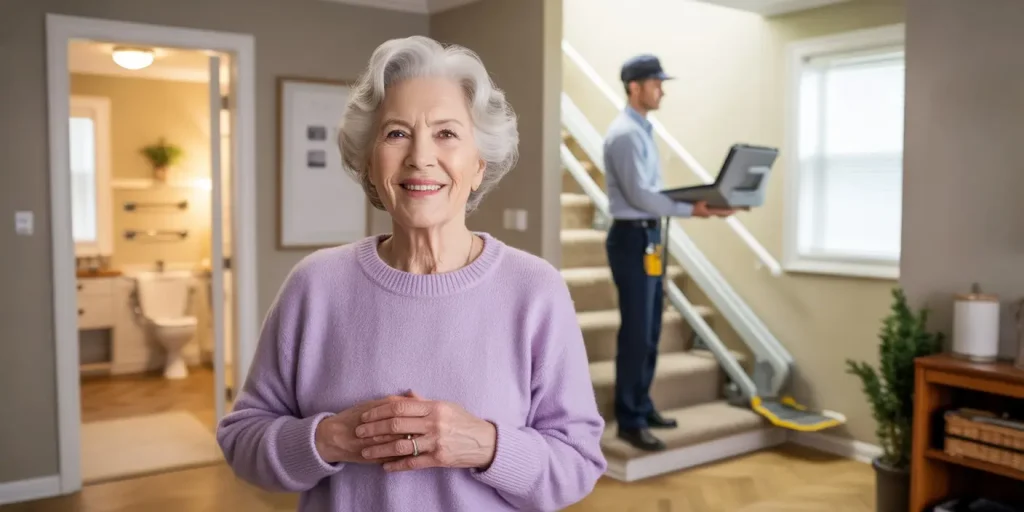
What Aging in Place Remodeling Really Means
Aging in place means staying in your home safely as you get older. It’s about making your house fit you, not the other way around.
That might mean adding grab bars in the bathroom, widening a hallway, lowering countertops, or removing tripping hazards. These may sound small, but they can be life-changing.
Each room has its own set of challenges:
- Bathroom: Zero-threshold showers, non-slip flooring, comfort-height toilets
- Kitchen: Pull-down shelves, adjustable counters, lever-style handles
- Bedroom: Bedside lighting, clear walking paths, easy-to-open closets
- Stairs and Entryways: Ramps, stair lifts, handrails, and level thresholds
How Remodeling Contractors Support Safe Independent Living
Remodeling contractors are the people who take your worries and turn them into safe, comfortable living spaces. They look at your kitchen and say, “We can make this easier to use,” and then actually build the changes.
When my friend’s mom began having balance issues, she fell twice in the hallway. Her daughter hired a contractor who specialized in home accessibility.
He added brighter lighting, non-slip flooring, and a sturdy handrail. That hallway became a path of confidence, not fear.
Contractors who understand aging in place see how small home updates can keep you or your loved one independent for years.
What to Look For in a Contractor
Not all contractors are the same. If you’re remodeling for aging in place, find someone who is CAPS certified (Certified Aging-in-Place Specialist).
That means they’ve been trained in senior-friendly design and home safety improvements.
Ask questions like:
- Have you done aging in place projects before?
- Can you show examples or reviews?
- Do you understand universal design principles?
- Are you open to working with a therapist or home safety expert?
Working Together: Contractors, Therapists, and You
The best results come from teamwork. That team might include you, your loved one, a contractor, and a health professional like an occupational therapist.
I used to walk through homes with families, noting every risky area, then hand that plan to a contractor who made it real.
A contractor might know how to install a ramp, but a therapist knows the best angle and placement. Together, they make a strong team.
The Value of a Safe Home: Cost vs. Crisis
Remodeling costs money, but so does assisted living, moving, or recovering from a fall. Smart changes today can save you money, time, and stress later.
Ask contractors about financial options. You might qualify for:
- Medicaid home modification waivers
- VA HISA grants for veterans
- State housing programs
- Tax deductions for accessibility renovations
- Low-interest home safety loans
- Help from non-profits and senior support groups
Smart Home Devices That Support Aging in Place
Adding technology can make your home safer and easier to manage:
- Motion-sensor lighting to stop night falls
- Voice-controlled assistants for lights, doors, and reminders
- Smart thermostats to keep rooms comfortable
- Emergency call buttons and alerts
- Video doorbells for safety and convenience
These tools help older adults, especially those with memory or mobility issues, stay independent and connected.
Common Mistakes to Avoid
I’ve seen people hire contractors who didn’t understand aging needs. One family got a shower with pretty tile, but no grip. The grab bar was stylish but not functional.
Ask for photos, testimonials, and safety features upfront. Make sure:
- Flooring is slip-resistant
- Fixtures are easy to use
- Spaces are easy to move through
- Everything meets building codes for accessibility
Avoid high-gloss surfaces, narrow doorways, and cluttered designs.
Maintenance Tips to Keep Your Home Safe
Once you’ve remodeled, keep things working:
- Test grab bars and railings every few months
- Replace batteries in smart devices regularly
- Check for wear on flooring and ramps
- Keep walkways and bathrooms clutter-free
A safe home stays safe with simple, regular upkeep.
Finding the Right Contractor for You
Start at AgingInPlaceDirectoryHub.com. Look for:
- CAPS-certified contractors
- Experience with senior living renovations
- Good reviews and clear communication
Before your first call, write down what concerns you. A good contractor will listen, explain your options, and help you plan based on what matters most to you.
Final Thoughts: Your Home, Your Choice
Your home should feel like a place of peace, not a place of worry. You don’t have to leave it just because things are harder now. With the right help, your home can grow with you.
I believe in aging in place because I’ve seen it work, for families, for neighbors, and even for my own clients. Let your home be your haven, not your hazard. And remember, you’re not alone.
