
 Aging in Place Directory Hub
As you or your loved ones get older, deciding where to live becomes a significant consideration. For many, the idea of leaving home is challenging.
However, with the right planning and resources, remaining at home as you age – also known as aging in place – can be a rewarding and practical choice.
In this article, we’ll discuss the advantages of remaining at home and the major aspects of aging in place. These tips to help you create a safe, comfortable, and supportive living environment.
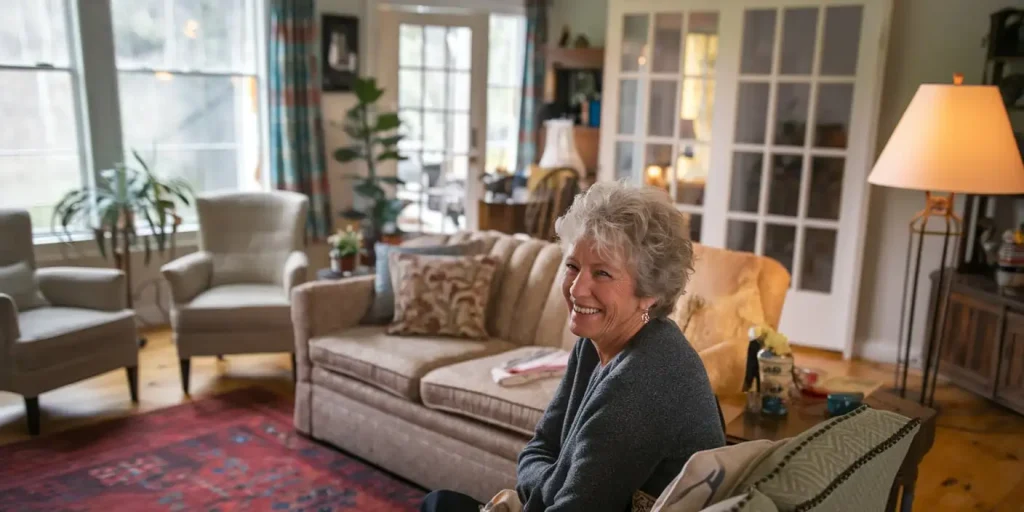
What Does Aging in Place Mean?
This choice allows you to continue living in a familiar environment for aging adults, surrounded by cherished memories and the community you love.
4 Benefits of Aging In Place
1. Independence and Comfort
One of the key advantages of remaining at home is the independent living for seniors it supports. You can stick to routines and make daily decisions, giving you a sense of control and comfort.
The sights, sounds, and smells of your home provide an emotional connection that can’t be easily replaced elsewhere.
Tips for Maintaining Independence:
Here are some important tips on how seniors can enhance their independence while growing older at home.
Use Assistive Devices to Improve Safety and Comfort
- Installing grab bars in bathrooms near the toilet and inside the shower can significantly reduce the risk of falls. These devices offer stability when moving around wet or slippery surfaces.
- Adding a shower chair helps prevent fatigue and accidents while showering, giving you a safe place to sit without the risk of slipping.
- Raised toilet seats and transfer benches are also great options to aid with safe transfers in and out of bathtubs or onto the toilet, which is crucial for home safety for elderly individuals.
- Consider walker aids or canes if you experience balance or mobility issues, as these devices offer additional support while moving around.
Organizing and Rearrange for Easy Access
- Place frequently used items like kitchen utensils, toiletries, or medicines within arm’s reach. This avoids unnecessary stretching or straining, which could lead to falls or injuries.
- Rearranging closets or pantries to have heavy or commonly used items at waist or shoulder height makes it easier to access them without bending down or climbing.
- Use adjustable shelving in cupboards to create a more comfortable reach range, and place non-essential or rarely-used items in higher or lower spots to keep the essentials easily accessible.
Make Modifications for Daily Convenience
- Consider installing lever-style door handles instead of traditional knobs, as these are easier to operate for individuals with arthritis or weakened grip strength.
- Switch to adaptive devices, such as larger TV remotes or phones with big buttons, to simplify daily tasks and improve overall convenience.
- Add motion-sensor lighting in hallways, bathrooms, and stairways to ensure there’s always light when moving around at night.
Adopt Technology for Enhanced Safety and Control
- Use smart home devices like voice-activated assistants to set reminders, make calls, or even control the lighting and appliances. This reduces the need to move around excessively, keeping you safer while preserving independence.
- Consider installing medical alert systems that allow you to call for help with the push of a button in case of emergencies.
Being at home doesn’t mean managing everything alone—in-home support services for aging adults can help you stay independent.
2. Cost Savings Compared to Assisted Living
One of the financial benefits of aging at home is that it can be more affordable than moving to an assisted living facility or nursing home.
Staying in a private home gives you control over your expenses, including hiring help or making home adaptations for seniors.
Example Costs:
| Type of Care | Average Cost |
|---|---|
| Home Health Aide (part-time) | $20.50 per hour |
| Homemaker Services | $20 per hour |
| Assisted Living Facility | $3,600 – $8,000 per month |
Tip: Explore financial aid for home modifications through state programs or tax incentives.
3. Health and Safety at Home
Living at home allows you to create a safe environment customized to your needs. By making home modifications for aging in place, you can reduce the risk of accidents and maintain physical safety and comfort for elderly.
Specific Safety Modifications:
- Stair Lifts: Reduce fall risks and enable mobility between floors.
- Walk-In Tubs: Provide safer and easier entry to the tub.
- Adaptive Lighting: Install motion-sensor lights in dark areas for better visibility.
- Grab Bars and Handrails: Installing grab bars in bathrooms and alongside hallways and stairs provides critical support for moving around safely.
- Non-Slip Flooring and Ramps: Replacing slick surfaces with non-slip flooring in bathrooms, kitchens, and entryways reduces the risk of slipping.
- Automatic Shut-Off Devices for Appliances: For older adults experiencing cognitive decline or forgetfulness, installing automatic shut-off devices for stoves, ovens, and other appliances is a practical safety measure.
Practical Safety Tips:
- Improve lighting in hallways and stairs to help with declining vision.
- Remove tripping hazards like rugs or cords.
- Arrange Frequently Used Items within Easy Reach: To avoid unnecessary bending or stretching, organize commonly used items like kitchen utensils, toiletries, or medicines within arm’s reach.
- Ensure Handrails Are Secure on All Stairs: Handrails on staircases should be sturdy and installed on both sides to provide additional support for individuals with mobility or balance issues.
Planning for aging in your own home with these safety upgrades can make a significant difference.
4. Staying Connected to Your Community
Remaining at home helps you maintain social well-being by staying close to family, friends, and familiar places. These community-based supports for seniors can be vital for maintaining mental health and emotional stability.
How to Stay Socially Connected:
- Community programs: Senior centers often offer activities and support services.
- Volunteer or Get Involved in Religious Groups: Volunteering can provide a sense of purpose and connection.
- Attend Online Classes and Events: For those who may have mobility limitations or prefer staying at home, online classes and virtual events offer an excellent way to remain engaged.
- Participate in Intergenerational Programs: Many communities have intergenerational programs that connect older adults with younger generations.
- Join Interest-Based Groups: Consider joining groups that share your hobbies or passions.
- Technology: Use video calls and social media to stay in touch.
Staying connected is essential for emotional and mental health for seniors.
Planning for Aging in Place
Planning for in-home senior care is crucial. You need to address safety, future health needs, and caregiving. Talk with family members and professionals to ensure your plan covers all your needs.
Steps for Planning
Below are some very important fundamentals for aging in place.
Assess Your Home for Areas Needing Adaptations: Begin by conducting a thorough assessment of the home to identify areas that may need home adaptations for seniors. This involves evaluating every room and entry point to ensure that they are safe, accessible, and suitable for long-term living.
Set Up a Support System of Family and Professional Caregivers: Creating a strong support network is crucial to ensuring safe and comfortable senior living. This support network should include both family members and professional caregivers:A well-established support network ensures that your loved one receives comprehensive care and maintains a high quality of life.
Explore Financial Assistance for Modifications and Care: Financial benefits of aging at home can be achieved by exploring various funding sources and assistance programs that help cover the costs of modifications and in-home care:
Having a plan gives you and your family confidence in long-term care at home.
Customizable Care Plans
With personalized senior care at home, you have the flexibility to choose what works best for you.
Care options for aging adults include help with daily tasks, medical care, or companionship.
Care Options to Consider:
- Home-Based Healthcare Services: Provide medical care like wound treatment and medication management, therapies such as Occupational, Physical and Speech therapy.
- In-Home Caregiving for Elderly: Support for daily activities and personal care.
- Adult Day Centers: Day centers provide social activities and meals during the day, giving caregivers a break and offering companionship to seniors.
By selecting a plan tailored to your needs, you can improve quality of life for seniors.
Healthcare and Infection Control
Living at home reduces the risk of infections that can spread in large facilities. Receiving care at home, through home-based healthcare services, helps you stay safe from unnecessary exposure to illnesses.
This not only improves health benefits of aging at home but also offers peace of mind.
Emergency Preparedness
Safe and comfortable senior living includes planning for emergencies. Having medical alert systems for seniors and an action plan can help in case of a crisis.
- Medical Alert Systems: These devices can call for help in case of a fall or medical emergency.
- Emergency Plans: Establish a plan for various situations like power outages, natural disasters, or medical crises.
This preparation supports aging in place with family support.
Financial Incentives for Home Modifications
There are often financial benefits of aging at home, such as tax deductions for accessibility changes.
Many states offer programs or tax credits for aging in place home upgrades. It’s a good idea to consult with a financial advisor to explore available incentives.
Final Thoughts
Aging in place provides numerous benefits, from senior independence and well-being to reducing the cost of senior care.
With careful planning, home modifications, and accessing community services for aging, you or your loved ones can continue to enjoy healthy aging at home.
Additional Resources
- Local Area Agencies on Aging: Offers guidance on services and support in your area.
- Occupational Therapists: Can help assess your home and suggest modifications.
- Financial Assistance Programs: Explore funding for home modifications or in-home care services.
This article aims to empower you to make informed decisions about aging in place, ensuring that you or your loved ones can enjoy the comfort and familiarity of home while staying safe and connected.
