
 Aging in Place Directory Hub
Aging in place allows seniors to stay in the comfort of their own homes, but it also requires modifications to maintain safety and accessibility. The home entryway is a critical area that must be designed with fall prevention, universal design, and accessible home modifications in mind.
I have worked, as an Occupational Therapist, with many families to create safer living environments for their senior loved ones.
In this guide, I will walk you through the best ways to make your home’s entry senior-friendly by using mobility aids, improving lighting, enhancing home security, and incorporating smart home technology for ease of access.
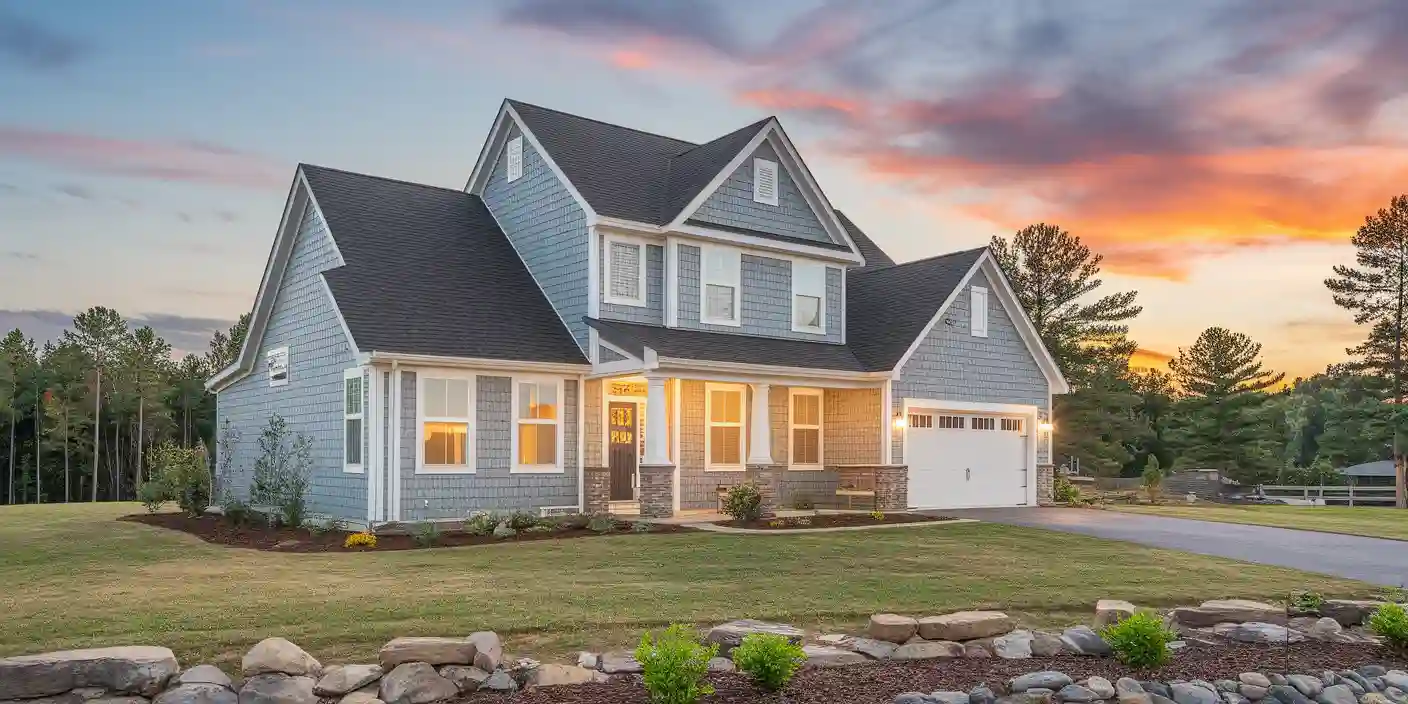
7 Ways To Make Entryways Senior Friendly
1. Assessing Entryway Safety Needs
Before making changes, it’s important to evaluate the current setup. Ask yourself:
- Are the steps and thresholds difficult to navigate? Consider adding threshold ramps or wheelchair ramps.
- Are the floors slippery? Replace with non-slip flooring or use slip-resistant mats.
- Is lighting adequate? Add motion-sensor lights and contrasting color edges to improve visibility.
- Are handrails available for support? Ensure handrails are installed on both sides of stairs.
- Is the door easy to open? Consider lever-style door handles or automatic door openers.
- Is the entry secure? Install a home security system, video doorbells, and smart locks.
A home safety assessment can help identify areas needing improvement and ensure the entry is safe for all mobility levels.
2. Entryway Modifications for Safety and Accessibility
Step-Free Access Solutions
For seniors using walkers, wheelchairs, or mobility aids, it’s important to have a step-free entry:
- Wheelchair ramps – Available in portable, modular, and permanent options.
- Threshold ramps – Help overcome small door thresholds that can cause tripping.
- Stairlifts or platform lifts – Ideal for homes with multiple steps.
Handrails and Grab Bars
Adding grab bars and handrails on both sides of stairs can reduce the risk of falls and provide extra support.
Non-Slip Flooring
- Use non-slip flooring like textured tiles or low-pile carpeting to reduce fall risks.
- Add slip-resistant mats at the entrance for extra grip.
Smart and Automatic Entry Solutions
- Motion-sensor lighting to illuminate pathways automatically.
- Keyless entry systems for easy access without fumbling for keys.
- Automatic door openers for hands-free access.
Lever-Style Door Handles
Traditional round doorknobs can be hard to grip for seniors with arthritis. Lever-style door handles allow for easier operation and improved accessibility.
3. Improving Lighting and Visibility
Poor lighting is a common cause of falls. Increase visibility with:
- Bright, motion-activated outdoor lighting near pathways, stairs, and entryways.
- Illuminated house numbers for emergency responders.
- Contrasting color edges on steps to improve depth perception.
4. Enhancing Entryway Security
A home security system is essential for both safety and peace of mind. Consider these security upgrades:
- Video doorbells – Allow seniors to see visitors before opening the door.
- Smart locks – Provide keyless entry with remote access.
- Security cameras – Monitor the front entrance and surrounding areas.
- Emergency response systems – Ensure help is accessible in case of falls.
5. Weatherproofing for Year-Round Safety
Weather-related hazards can make entryways dangerous. Address them with:
- Heated doormats to prevent ice buildup in winter.
- Awnings or canopies to shield against rain and sun.
- Proper drainage systems to prevent water pooling.
6. Cost-Effective DIY and Professional Solutions
Simple DIY solutions can improve safety without major renovations:
- Solar-powered pathway lights for night visibility.
- Non-slip grip tape on stairs for better traction.
- Weatherproof doormats to keep walkways dry.
For larger projects like wheelchair ramps or stairlifts, hiring a professional ensures proper installation. Look into financial assistance options such as Medicaid waivers, Veterans Affairs benefits, or community support services that provide funding for home modifications.
7. Maintaining a Safe and Accessible Entryway
Regular maintenance helps keep the entrance safe:
- Check for loose railings or cracks in the pavement.
- Keep walkways clear of leaves, ice, and other hazards.
- Test and replace lighting when needed.
- Ensure security systems are updated and functioning properly.
Conclusion
A senior-friendly home entryway is key to aging in place safely and independently. By using universal design, adding handrails, improving lighting, and installing home security systems, you can create an entry that is both accessible and secure.
Small changes, like switching to lever-style door handles, adding motion-sensor lights, and installing slip-resistant mats, can make a big difference. For more extensive modifications, explore options like wheelchair ramps, stairlifts, and keyless entry systems.
By taking steps today, you can create a safe, welcoming, and accessible home that will support independent living for years to come.
