
 Aging in Place Directory Hub
Aging in place has become an increasingly popular concept among seniors who wish to maintain their independence and quality of life as they grow older.
This comprehensive guide explores what aging in place means, its benefits, challenges, and how it enhances independence for older adults.
What is Aging in Place?
Aging in place refers to the ability of seniors to live independently and safely in their own homes as they age, rather than moving to assisted living facilities or nursing homes.
This concept has gained significant attention in gerontological literature over the past few decades.
Key aspects of aging in place include:
- Remaining in a familiar environment, often the home where one has lived for years
- Maintaining control over daily routines and living spaces
- Accessing necessary support services to ensure safety and comfort
- Adapting the home environment to meet changing needs as one ages
According to the AARP, 77% of adults over the age of 50 prefer to age in place.
This preference is reflected in recent trends, with the number of community-dwelling adults in traditional housing increasing over the past 20 years, while those living in nursing homes has declined.
The Growing Aging Population
The current growth of the population ages 65 and older, driven by the large baby boom generation, is unprecedented in U.S. history.
This demographic shift brings both challenges and opportunities to the economy, infrastructure, and institutions.
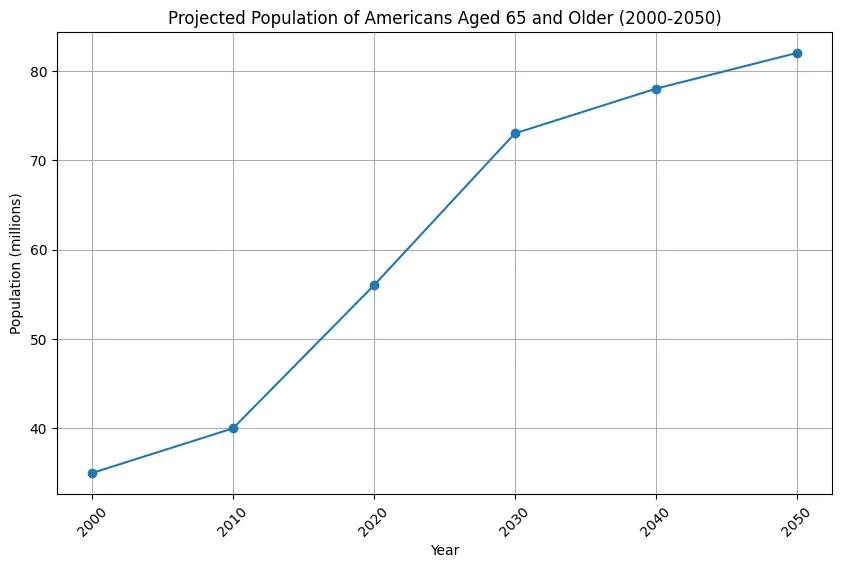
Key statistics:
- The number of Americans ages 65 and older is projected to increase from 58 million in 2022 to 82 million by 2050 (a 47% increase). (source: University of Arizona)
- The 65-and-older age group’s share of the total population is projected to rise from 17% to 23% by 2050. (source: Forbes.com)
- The U.S. population is older today than ever before, with the median age increasing from 30.0 in 1980 to 38.9 in 2022. (source: New York Times)
- There are fewer than 4% of homes in the US that have single-floor living, no-step entryways, and halls and doorways that are wide enough to accommodate wheelchairs. (source: apnews.com)
These statistics and more reflect the how aging in place is being shaped!
Benefits of Aging in Place
Aging in place offers numerous advantages that contribute to enhanced independence for seniors:
- Maintaining autonomy: Seniors can make their own decisions about daily activities and routines.
- Preserving familiar surroundings: Staying in a well-known environment can provide comfort and reduce stress.
- Continuing community connections: Older adults can maintain relationships with neighbors and local support networks.
- Cost-effectiveness: In many cases, aging in place can be more affordable than moving to a care facility.
These fundamentals form the foundation of a safe, meaningful, and fulfilling life at home. They emphasize that aging in place isn’t just about staying put, it’s about living well.
By combining comfort, familiarity, independence, and community support, seniors can maintain dignity and purpose while receiving the care or adaptations they need to thrive.
Emotional and Psychological Benefits
Aging in place is associated with maintaining autonomy, social connections, and a sense of identity, which can enhance emotional well-being and reduce feelings of loneliness.
Studies show that seniors who age in place often experience improved mental health outcomes.
How Aging in Place Enhances Independence
- Promotes decision-making autonomy: Seniors maintain control over their daily lives and choices.
- Supports mental and emotional well-being: Familiar surroundings can help reduce anxiety and depression.
- Encourages social connections: Staying in one’s community fosters ongoing relationships and social engagement.
- Allows for personalized care: Support services can be tailored to individual needs and preferences.
Common Questions About Aging in Place
What are the psychological and physical benefits of aging in place for seniors?
Aging in place is associated with maintaining autonomy, social connections, and a sense of identity, which can enhance emotional well-being and reduce feelings of loneliness.
What are the main challenges seniors face when trying to age in place?
Seniors often encounter barriers such as home safety concerns, accessibility issues, and social isolation, which require careful planning and community support to overcome.
How can technology support seniors in aging in place?
Technology, including assistive devices and smart home systems, can enhance safety, health monitoring, and communication, helping seniors maintain independence.
Should I age in place at home or move to age in place somewhere else?
It depends on your needs. If your home can be made safe and accessible, staying put may work well. But if another home or community offers better safety, comfort, or social support, moving can still mean aging in place, just in a setting that fits you better.
What role do caregivers play in supporting aging in place?
Caregivers provide essential support, from daily tasks to emotional companionship, and are crucial in helping seniors navigate the challenges of aging in place.
How can communities and local organizations facilitate successful aging in place?
Community resources, such as transportation services, home modifications, and social programs, are vital in creating an environment that supports seniors in maintaining their independence.
Challenges of Aging in Place
While aging in place offers many benefits, it also presents some challenges:
- Home safety and accessibility concerns
- Managing health conditions and medications
- Potential for social isolation
- Caregiver support needs
A 2020 report estimated that only 10% of American homes are “aging ready,” with features like a step-free entryway, a bedroom and bathroom on the first floor, and at least one bathroom accessibility feature. (Forbes.com)
Strategies for Successful Aging in Place
To enhance independence through aging in place, consider the following strategies:
- Home modifications: Install grab bars, improve lighting, and remove tripping hazards.
- Technology utilization: Implement smart home devices and medical alert systems.
- Community resources: Access local support services, such as meal delivery and transportation assistance.
- Health management: Develop a plan for managing chronic conditions and medications.
Financial Considerations and Cost-Effectiveness
Developing a solid financial plan is essential for successful aging in place.
Key considerations include:
- Understanding associated costs, including home modifications and in-home care services
- Creating a comprehensive budget that accounts for current and future needs
- Exploring funding options, such as long-term care insurance and government programs
- Consulting with a financial planner specializing in retirement planning
Technological Innovations
Advancements in technology have made aging in place more feasible and safer for seniors. Some helpful technologies include:
- Telemedicine platforms for remote health monitoring
- Smart home devices for improved safety and convenience
- Communication tools to stay connected with family and caregivers
Conclusion
Aging in place offers seniors the opportunity to maintain independence, preserve their quality of life, and remain connected to their communities.
By understanding the benefits, challenges, and strategies for successful implementation, older adults and their families can make informed decisions about aging in place.
With proper planning, support, and resources, seniors can enjoy their golden years in the comfort and familiarity of their own homes.
As the aging population continues to grow, it’s crucial for communities, policymakers, and healthcare providers to work together to create age-friendly environments and support systems that enable successful aging in place.
